Data exists, value doesn't
The company has stored customer, sales or operations data for years, but decisions are still made on experience and intuition.



We build ML models against a specific business metric and take them to production, not to a polished report.
The company has stored customer, sales or operations data for years, but decisions are still made on experience and intuition.
Manual rules for scoring, pricing or fraud have grown into hundreds of exceptions and fail more and more often.
There were ML experiments, but the models stayed in notebooks and were never built into the product or the process.
 [ 01 ]free · 30 min
We review the problem and the data you already have. You leave knowing whether ML can have an effect here. No sales pitch.
 [ 02 ]14 business days
We analyze the data and build a first model. You get real quality on your data and an estimate of the effect.
 [ 03 ]depends on scope
We take the model to production, connect it to your systems and compare it with the current approach.
 [ 04 ]ongoing, monthly cycle
We watch quality, retrain on new data and improve the model against the business metric.
and answers
Data Science studies data: find patterns, test hypotheses, answer a business question. Machine Learning builds models that make decisions or forecasts inside a product or a process. Data Science often comes first and shows where a model will have an effect. ML then makes that model work.
It depends on the problem. Demand forecasting needs history across several seasons. Classification needs enough labeled examples of each class. We will not build a model on data that is clearly too thin, and we say so after the audit, not after development.
Not always. If the rules are simple and they work, ML adds complexity with no benefit. ML wins when factors are many, relationships are not obvious, and rules can no longer keep up with change. We always compare the model with the current approach on the same data.
Without support its quality declines, because customers, the market and the data change. That is why we monitor quality and data drift, and build retraining into the process. A model is a product that needs maintenance, not a one-off project.
Start with a free 30-minute Clarity Session.
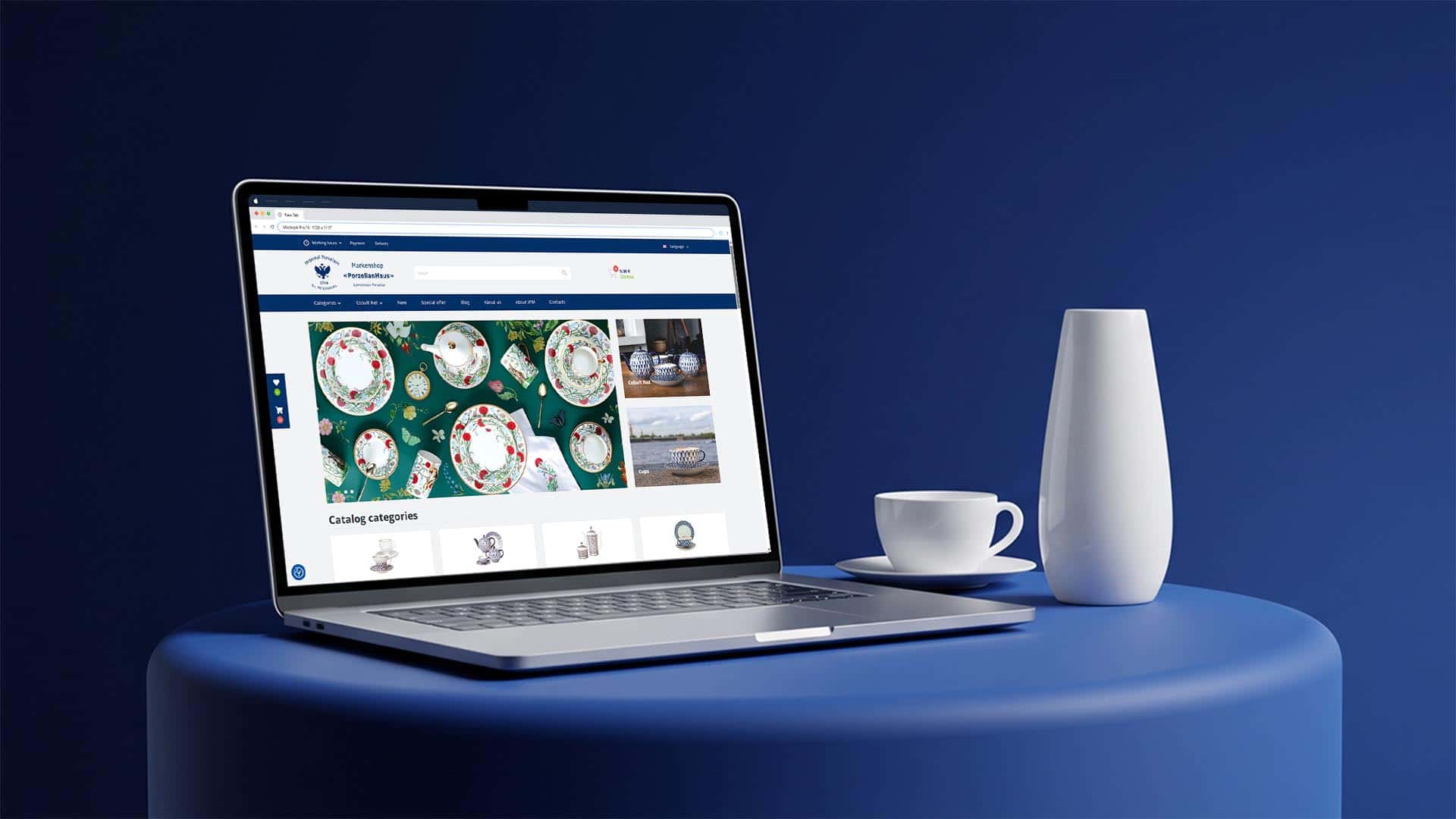 OCTOBER 2026eСommerce / SEO
Google visibility grew by 600% — up to 42 queries in the top 3.
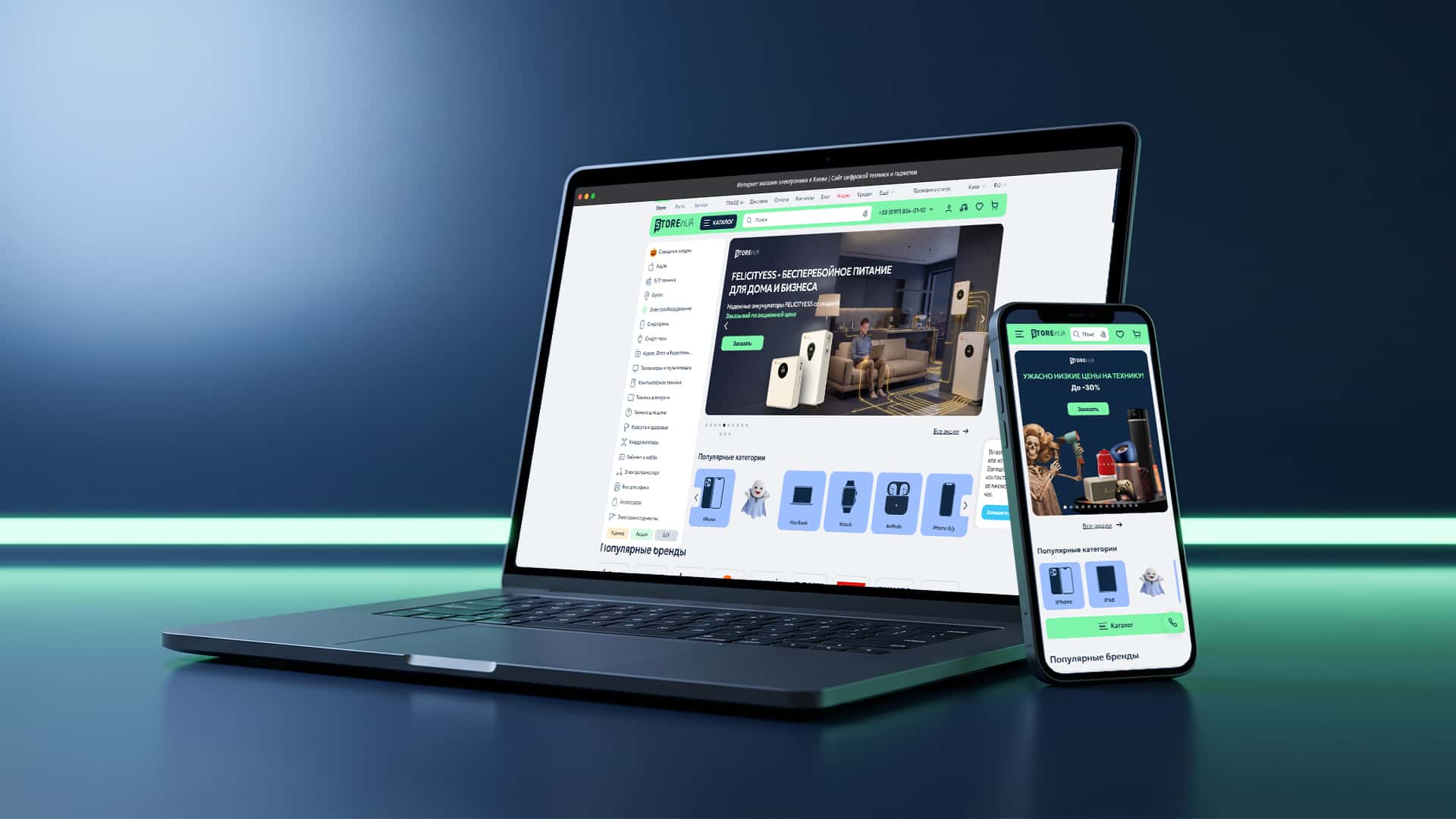 OCTOBER 2026eСommerce / DEVELOPMENT
Purchase conversion up from 1.4% to 3%: a new platform for 1M+ products with no sales stoppage.
 OCTOBER 2026SERVICES / MARKETING
Google visitors grew from 360 to 7000 per month, with 261 queries in the top 10: SEO for accounting in Poland.

Author: GVSPACE

Author: Vasyl Horaichuk

Author: GVSPACE