An idea for a connected product
You want equipment to become smart, or a connected product launched, but it is unclear where to start and what the system will cost.


We build IoT systems from the device to the dashboard. Equipment data becomes a signal for decisions, not an archive.
You want equipment to become smart, or a connected product launched, but it is unclear where to start and what the system will cost.
Equipment works, but data from it is collected by hand or not at all, and failures are found after the fact.
The fleet is growing, while management, updates and monitoring stay manual and do not scale.
 [ 01 ]free · 30 min
We review the problem, the equipment and the data the business needs. You leave with the key technical risks. No sales pitch.
 [ 02 ]14 business days
System architecture and a prototype check of the key risk. You get a plan, a timeline and an estimate.
 [ 03 ]depends on scope
We build devices, server and application in parallel, and test the system as a whole, not in pieces.
 [ 04 ]ongoing, monthly cycle
Fleet rollout, monitoring, updates and new features based on usage data.
and answers
Embedded is the software inside a single device. IoT development is the whole system: devices, connectivity, server, application and analytics. Firmware alone is Embedded. Collecting data from equipment and working with it is IoT.
It depends on distance, data volume, power use and where the device sits. Wi-Fi fits indoor sites that already have a network. Bluetooth fits a link to a phone. Cellular and low-power networks fit remote sites. We justify the choice at architecture stage.
Security is designed at every layer: encrypted links, device authentication, safe updates and access control on the server. A weak device can become an entry point into the whole system, so security cannot be postponed.
Often, yes. If it has interfaces for reading data, we add a connectivity module or a gateway without replacing the equipment. We check whether that is possible during analysis.
Start with a free 30-minute Clarity Session.
 OCTOBER 2026eСommerce / SEO
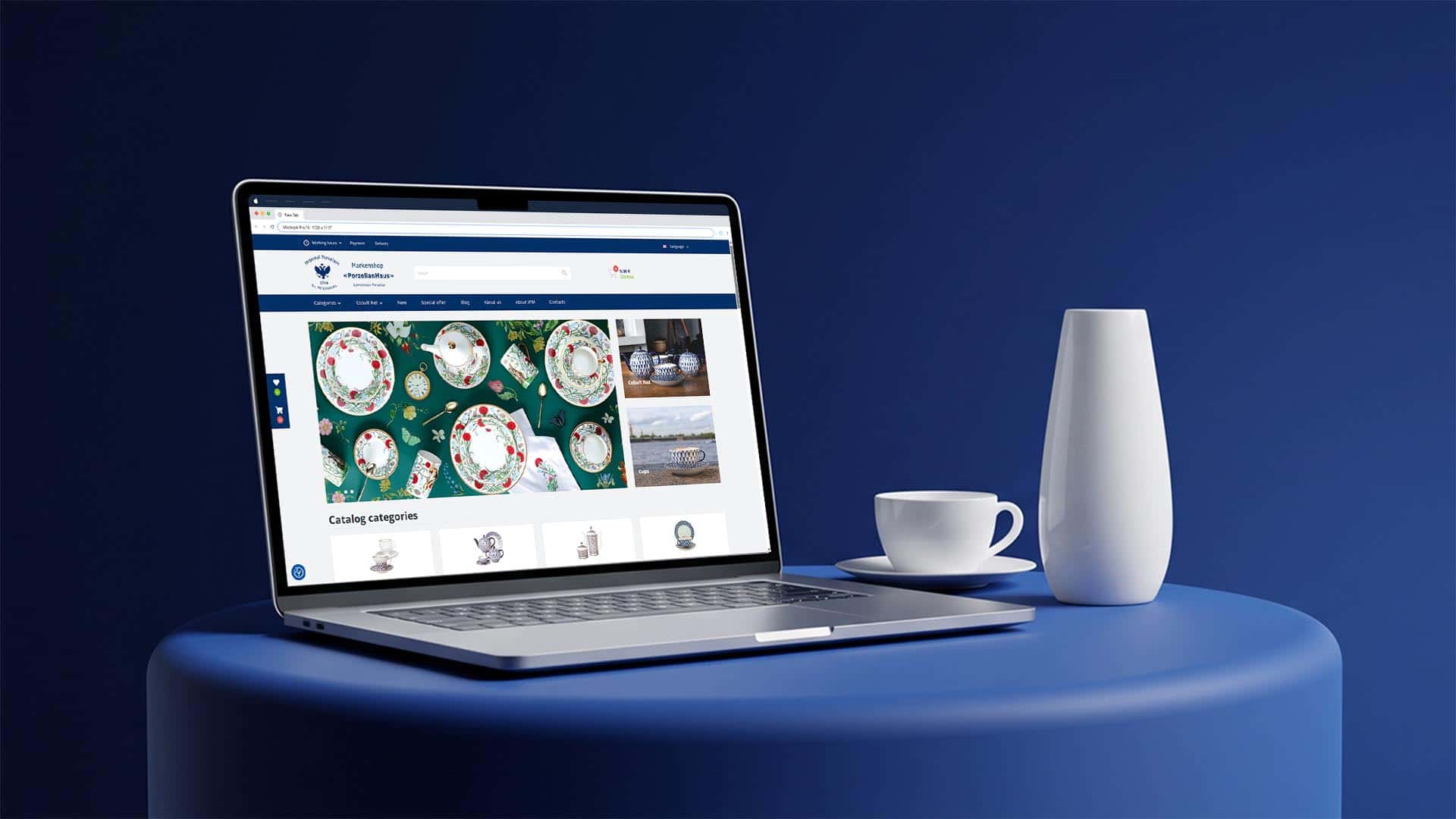
Google visibility grew by 600% — up to 42 queries in the top 3.
 OCTOBER 2026eСommerce / DEVELOPMENT
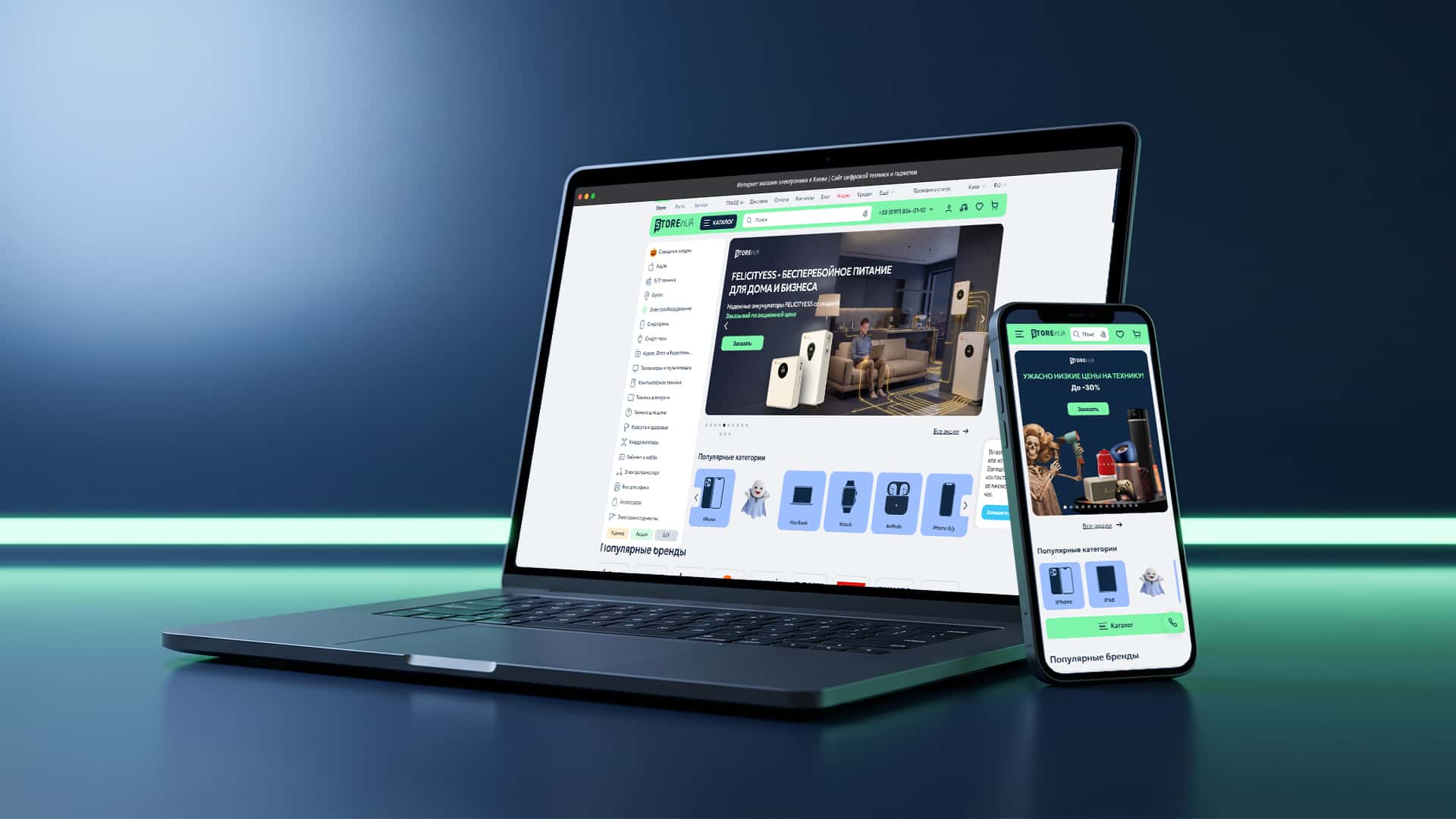
Purchase conversion up from 1.4% to 3%: a new platform for 1M+ products with no sales stoppage.
 OCTOBER 2026SERVICES / MARKETING
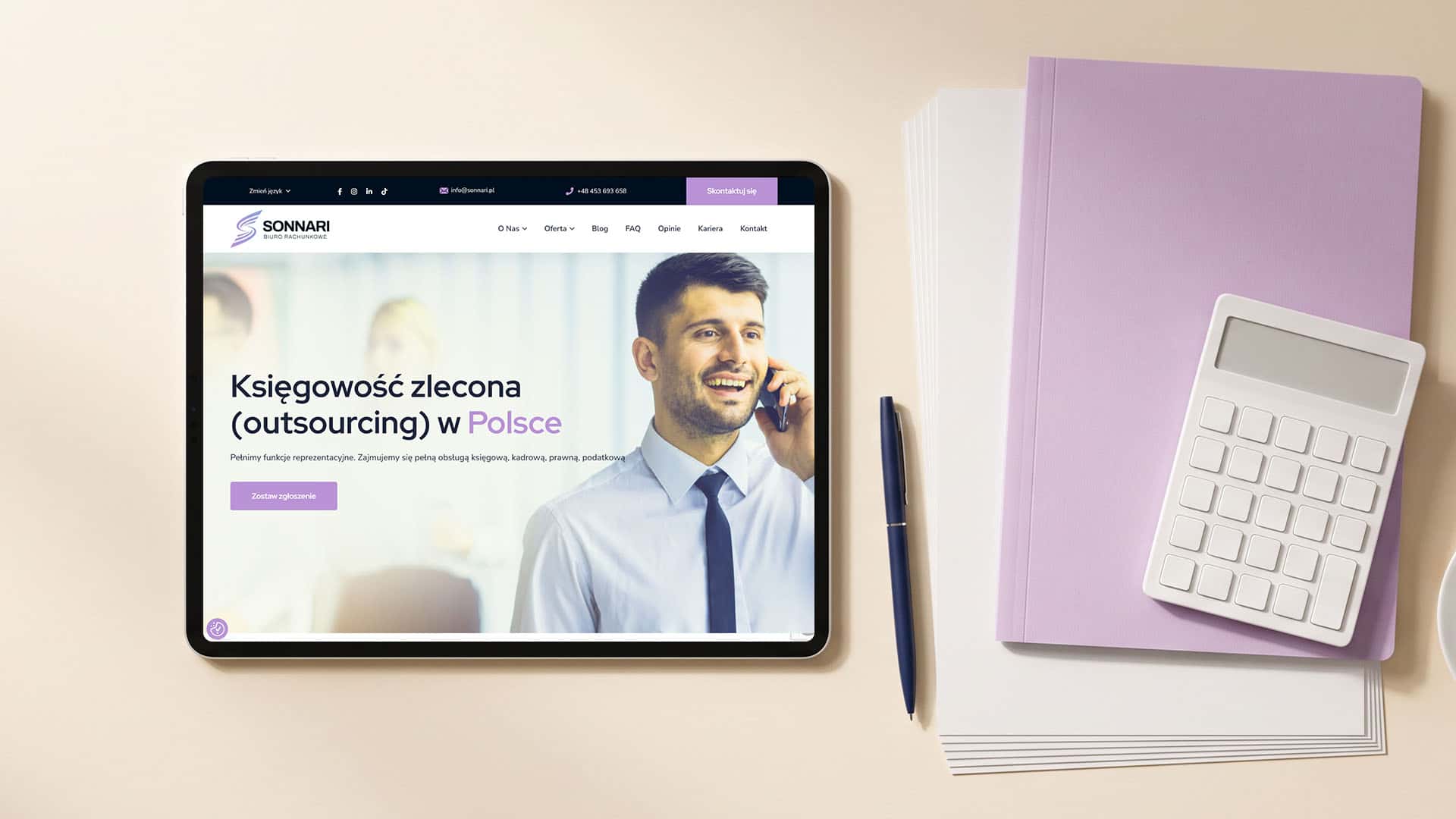
Google visitors grew from 360 to 7000 per month, with 261 queries in the top 10: SEO for accounting in Poland.
Author: GVSPACE
Author: Vasyl Horaichuk
Author: GVSPACE