AR as a brand idea
AR looks like a strong tool, but it is unclear which problem it will solve and whether customers will actually use it.



We build AR for sales and training where augmented reality removes doubt or speeds the work up.
AR looks like a strong tool, but it is unclear which problem it will solve and whether customers will actually use it.
Buyers cannot picture how furniture, appliances or decor will look at home, so they return the product or do not buy.
Staff or customers make mistakes in installation and servicing, because paper and video do not show the detail in place.
 [ 01 ]free · 30 min
We check whether AR will justify the cost. You leave with a decision on whether to start. No sales pitch.
 [ 02 ]14 business days
Format, scenario and a prototype of the key interaction. You get a timeline and an estimate for the full version.
 [ 03 ]depends on scope
3D models, logic, integrations and analytics. Regular builds for testing on real devices.
 [ 04 ]ongoing, monthly cycle
Publication, usage data, and new models and scenarios.
and answers
AR adds digital objects on top of the real world through a phone camera or glasses, and the person still sees their surroundings. VR immerses them fully through a headset. For try-on, instructions and marketing, AR is the usual choice: it runs on a smartphone with no extra equipment.
It depends on the job. WebAR opens from a link or a QR code with nothing to install, so it fits marketing and product cards. An app offers more capability and accuracy, so it is better for complex instructions and regular use. We choose at the concept stage.
It can, but that has to be measured on your product. AR works best where a buyer hesitates over size, look or fit with their space. We set up analytics to compare people who used AR with everyone else.
Not at the start. We begin with the most popular products and the ones where AR helps the buyer most. If you have CAD models or manufacturer 3D files, we adapt them, and that speeds the work.
Start with a free 30-minute Clarity Session.
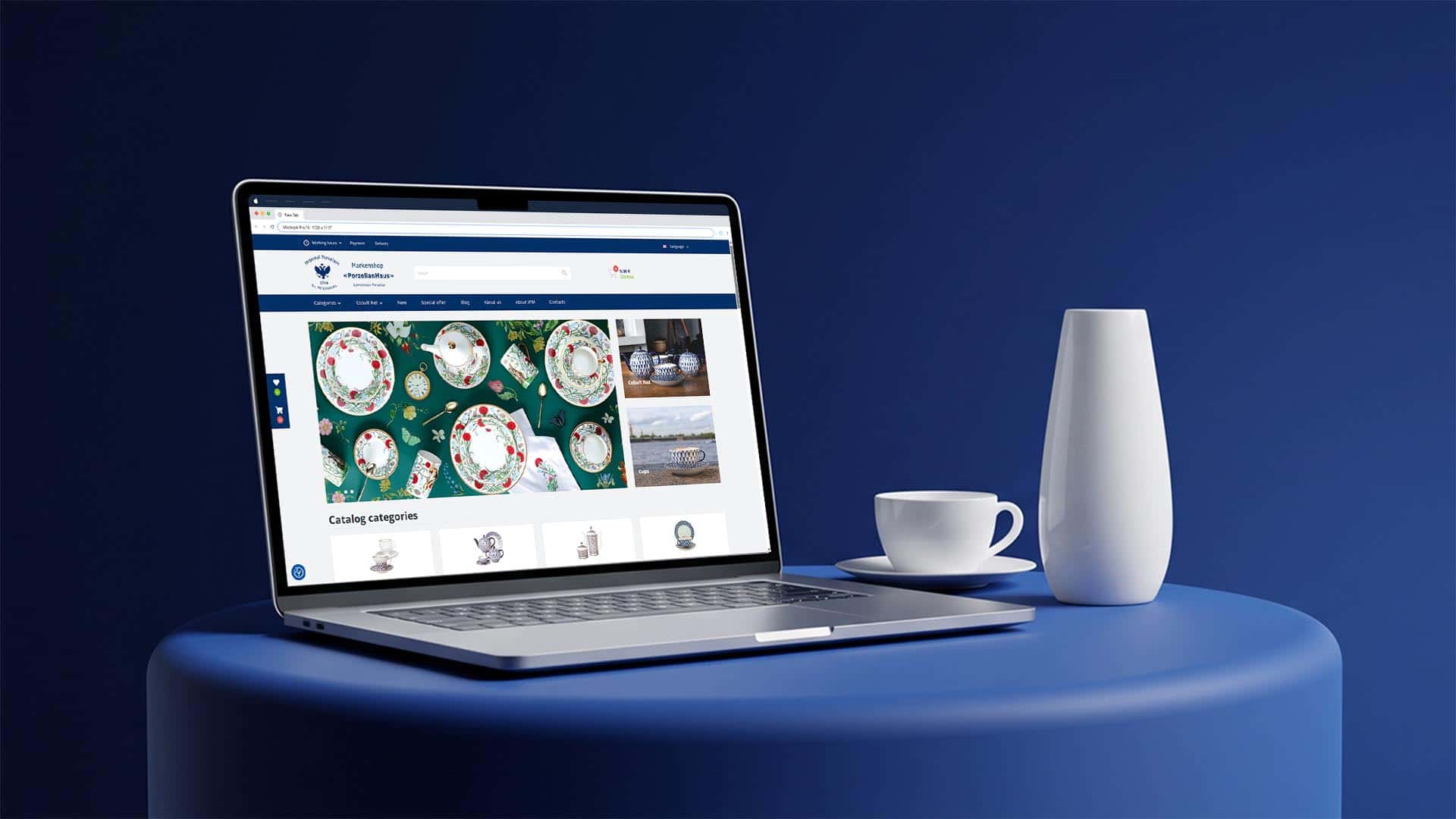 OCTOBER 2026eСommerce / SEO
Google visibility grew by 600% — up to 42 queries in the top 3.
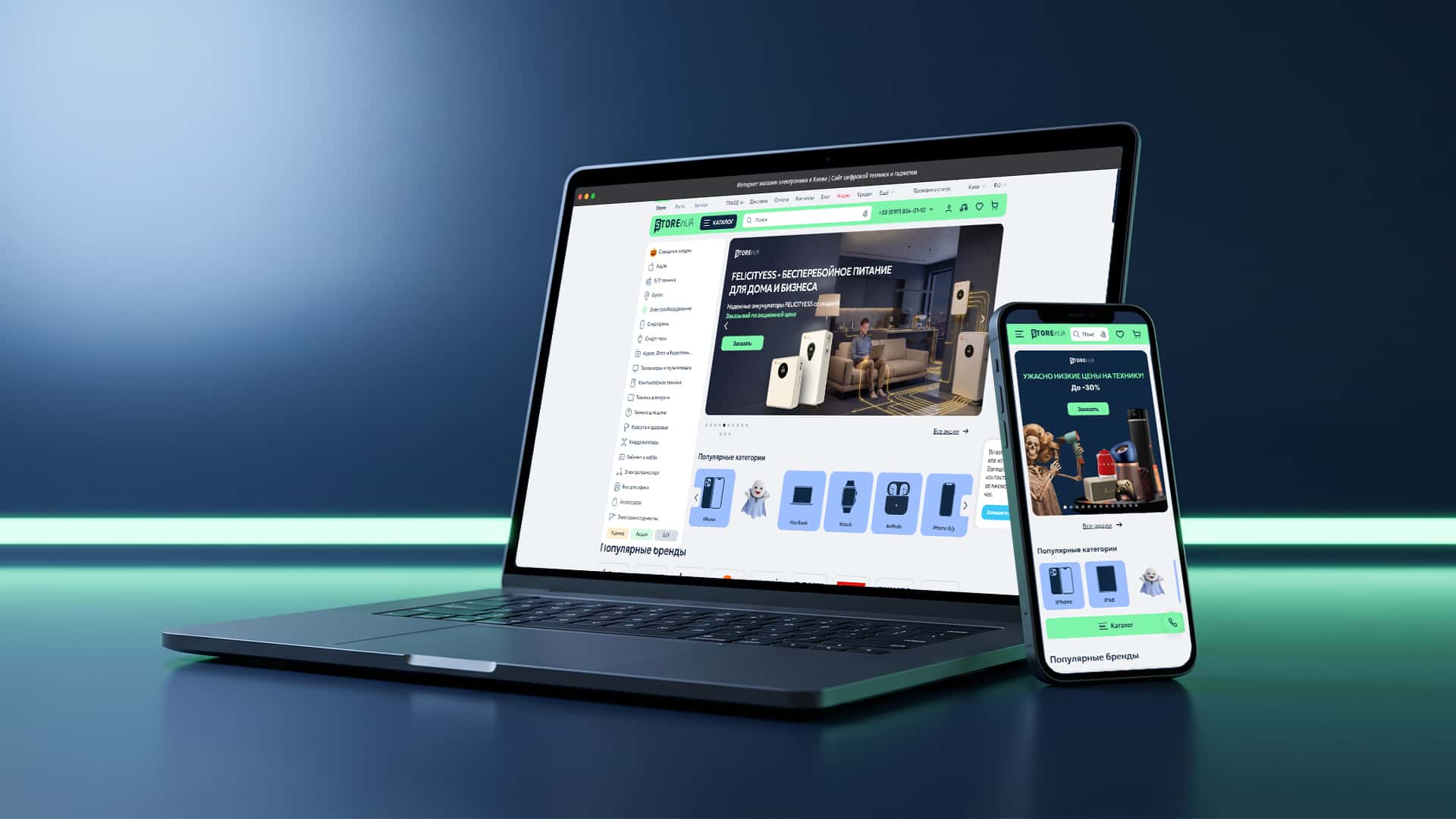 OCTOBER 2026eСommerce / DEVELOPMENT
Purchase conversion up from 1.4% to 3%: a new platform for 1M+ products with no sales stoppage.
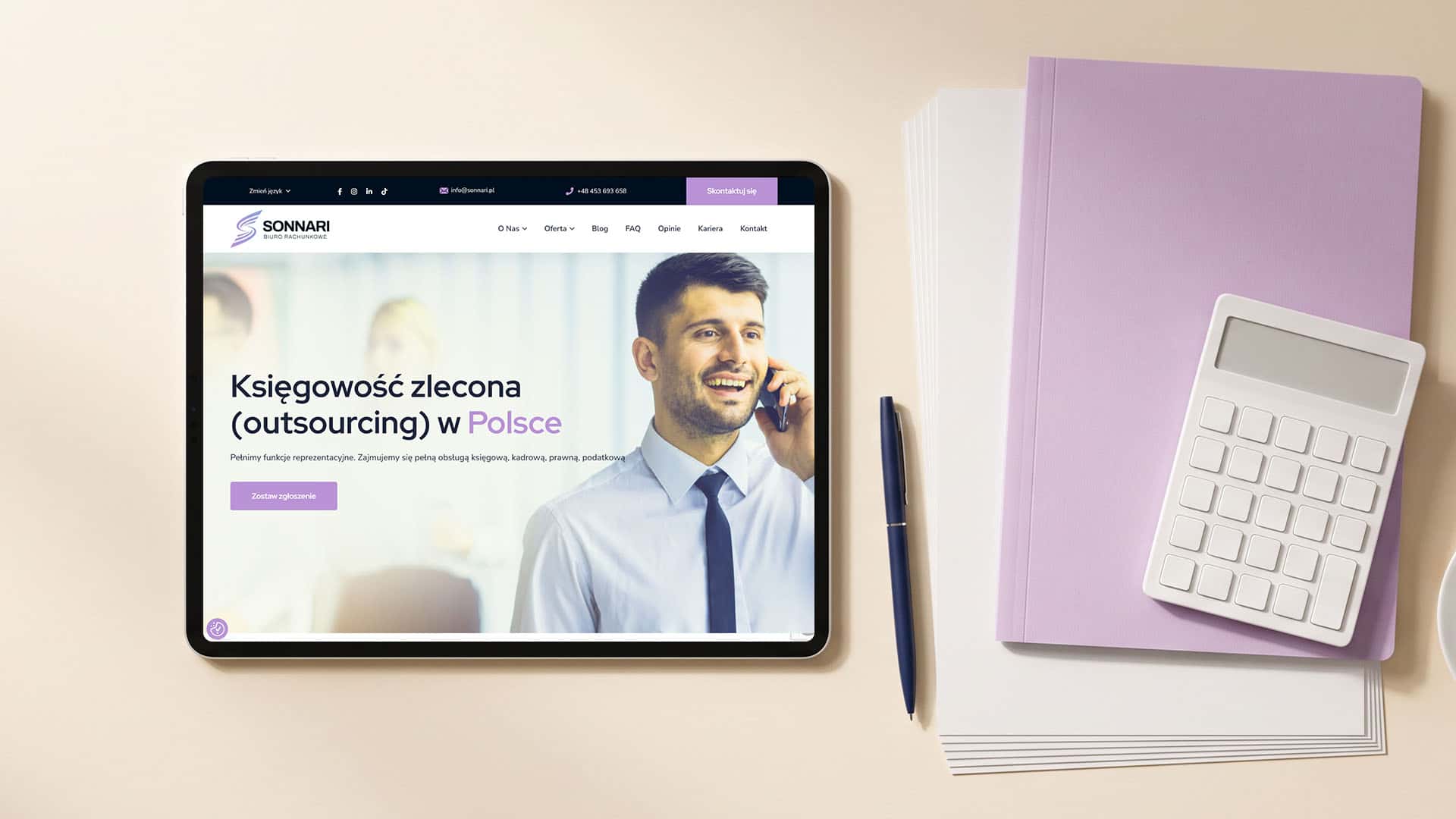 OCTOBER 2026SERVICES / MARKETING
Google visitors grew from 360 to 7000 per month, with 261 queries in the top 10: SEO for accounting in Poland.

Author: GVSPACE
Author: Vasyl Horaichuk
Author: GVSPACE