You need a product foundation
The interface is designed, but there's no backend yet, and it's important not to lock yourself into an architecture you'll have to redo.


We build backends and data infrastructure with room for load and change. The product grows, and the core needs no rewrite.
The interface is designed, but there's no backend yet, and it's important not to lock yourself into an architecture you'll have to redo.
Users keep coming, queries run slowly, the database is overloaded, and peak traffic brings the service down.
Analytics queries hit the production database, reports take hours, and data from different systems never meets in one place.
 [ 01 ]free · 30 min
We review the product, load and current architecture, if there is one. You leave with the key technical risks. No sales pitch.
 [ 02 ]14 business days
Requirements, architecture, data model and a work plan. You get a timeline and cost without a threefold range.
 [ 03 ]scoped per project
We build in iterations with automated tests and API documentation. Demos every two weeks.
 [ 04 ]ongoing, monthly cycle
Monitoring, performance tuning, new features, integrations and data sources by product priority.
and answers
Frontend is what the user sees and interacts with: interface, animations, forms. Backend is everything behind it: business logic, database, APIs, integrations, security. Users don't see the backend directly, but it determines speed, reliability and whether the product can handle growth.
It depends on the product and the team. For most products at the start, a monolith with a clear module structure is simpler and cheaper. Microservices make sense when several teams work independently and parts of the system have different loads. We don't recommend switching just to follow a trend.
Because the data model defined in the backend decides how easy analytics will be later. When the same team designs both, events and entities are recorded in a form that pipelines and reports can use directly, without costly rework once the business asks its first data questions.
Yes. The repository, documentation and infrastructure access are handed over to you. We don't build technical dependency on us: you can continue with our team or with your own.
Start with a free 30-minute Clarity Session.
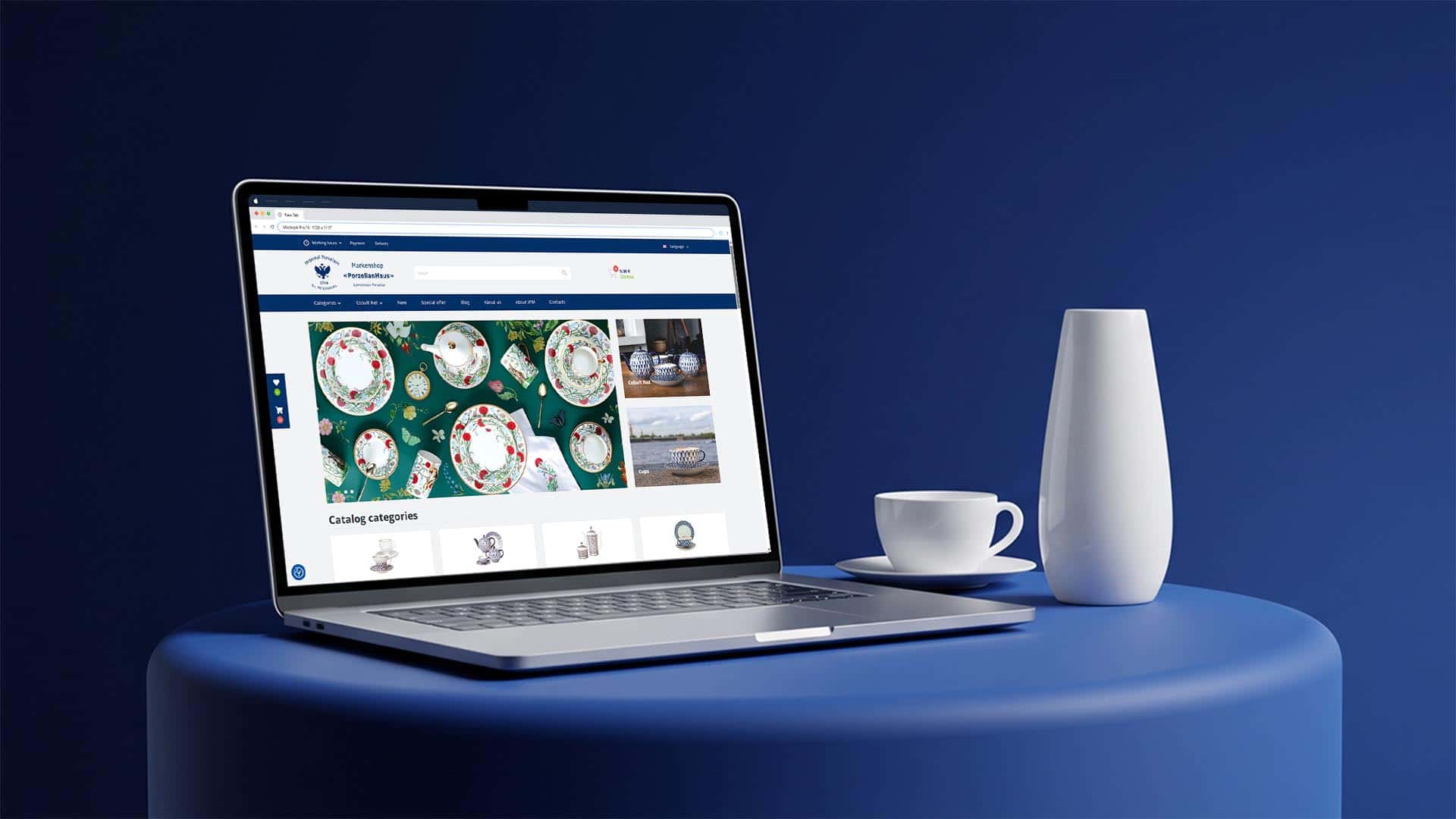 OCTOBER 2026eСommerce / SEO
Google visibility grew by 600% — up to 42 queries in the top 3.
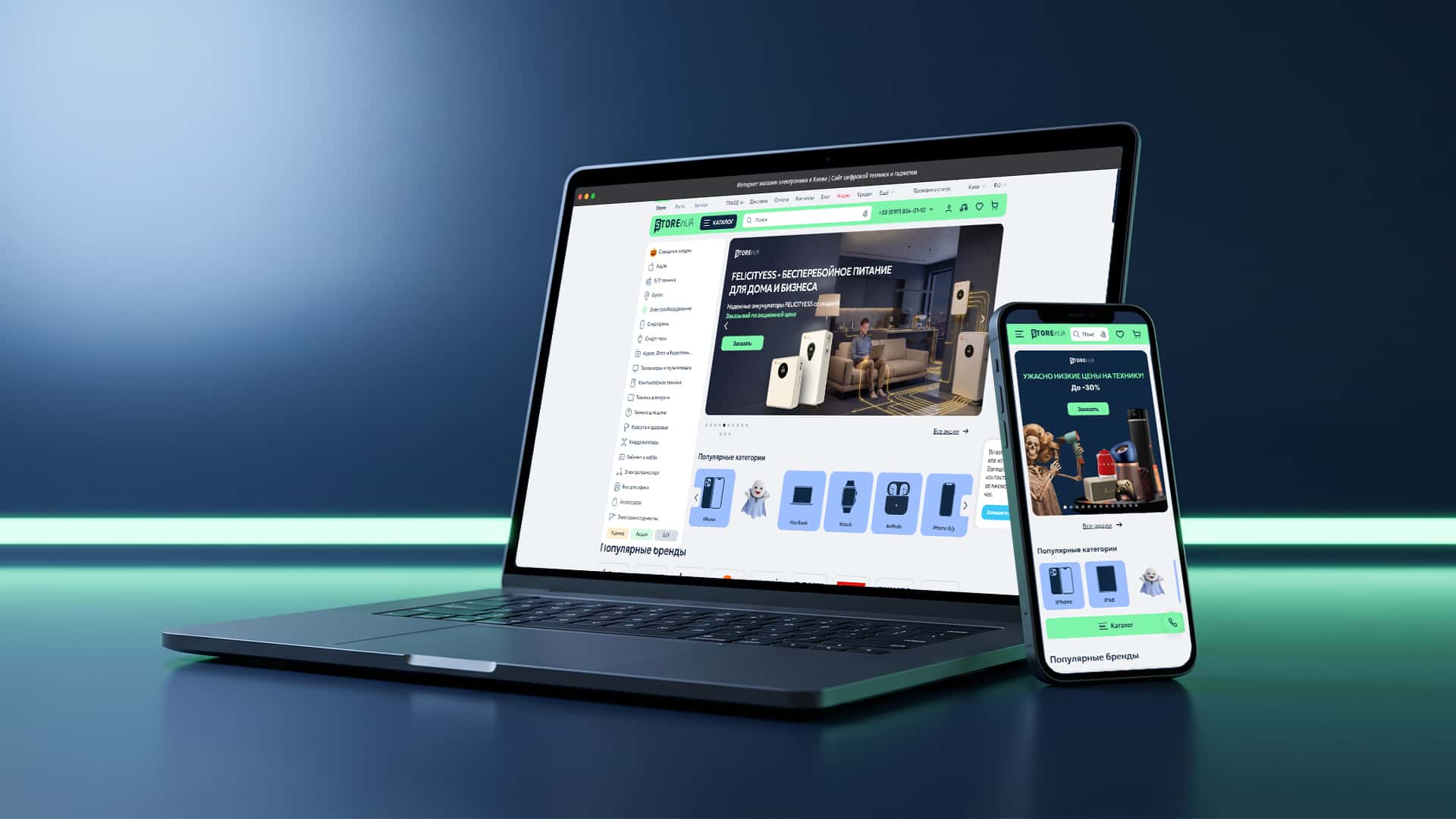 OCTOBER 2026eСommerce / DEVELOPMENT
Purchase conversion up from 1.4% to 3%: a new platform for 1M+ products with no sales stoppage.
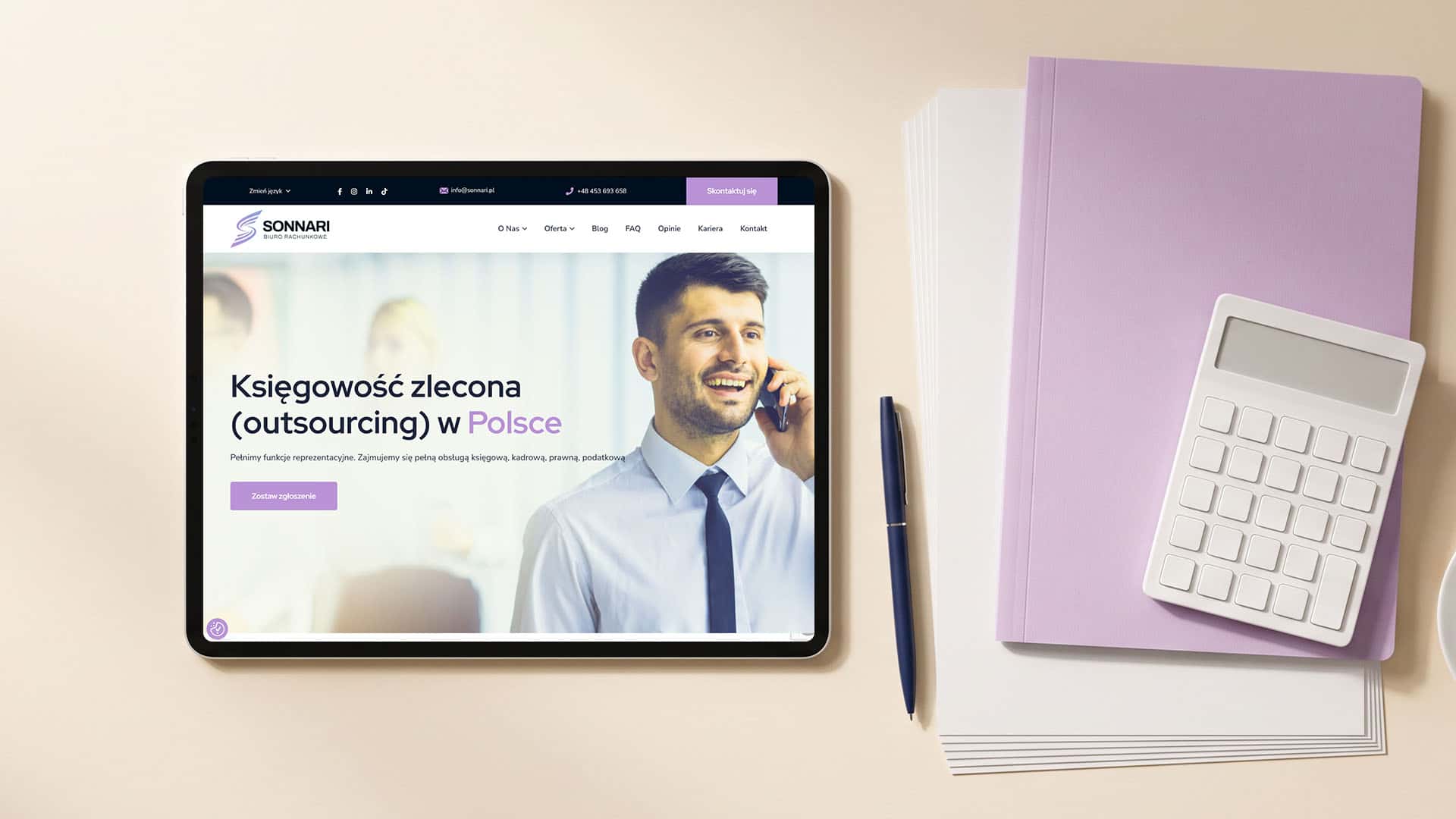 OCTOBER 2026SERVICES / MARKETING
Google visitors grew from 360 to 7000 per month, with 261 queries in the top 10: SEO for accounting in Poland.
Author: GVSPACE
Author: Vasyl Horaichuk
Author: GVSPACE