Every screen is drawn anew
Each new screen is assembled on its own. Buttons, spacing and states diverge before the product has had time to grow.


We specify the components and rules of a digital interface. This is not a brand book for print.
Each new screen is assembled on its own. Buttons, spacing and states diverge before the product has had time to grow.
There are more features, and the same action looks different in different places. Design and engineering repeat the same decisions.
More than one team builds the product. Without shared components each part looks like another service.
 [ 01 ]free · 30 min
We look at screens where the same action looks different. You leave with a focus for the system. No sales pitch.
 [ 02 ]depends on scope
Principles and the base components in Figma. The result is a kit for the next screens, not a brand book for print.
 [ 03 ]after file delivery
We walk through the components with design and engineering and note what the first version still does not cover.
and answers
No. A design system describes the components and rules of a digital interface. A brand book for print is corporate style: decks, stationery, packaging. Color and type may match. The work does not.
No. It takes away the repeated decisions: buttons, fields, spacing, states. A new flow still has to be designed. The difference is that it is assembled from ready parts, not drawn from scratch.
It depends. If there are few screens and one person makes them, an early system can be unnecessary. It is needed when the same elements already diverge, or when several people assemble the screens.
No. The result is the components and rules in Figma, plus how they behave. Building them in code is separate development. Each component is described so an engineer does not guess the states.
Start with a free 30-minute Clarity Session.
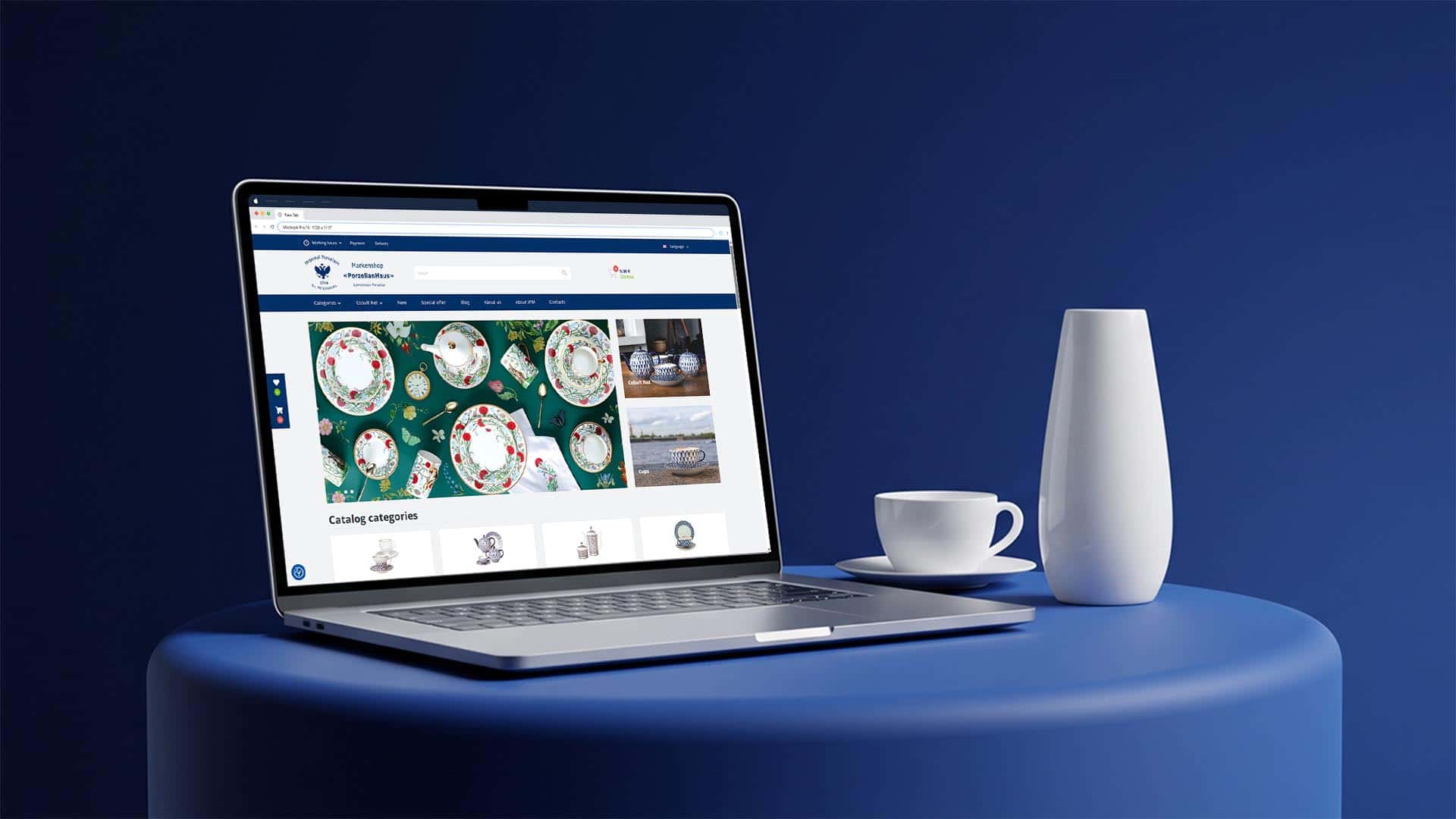 OCTOBER 2026eСommerce / SEO
Google visibility grew by 600% — up to 42 queries in the top 3.
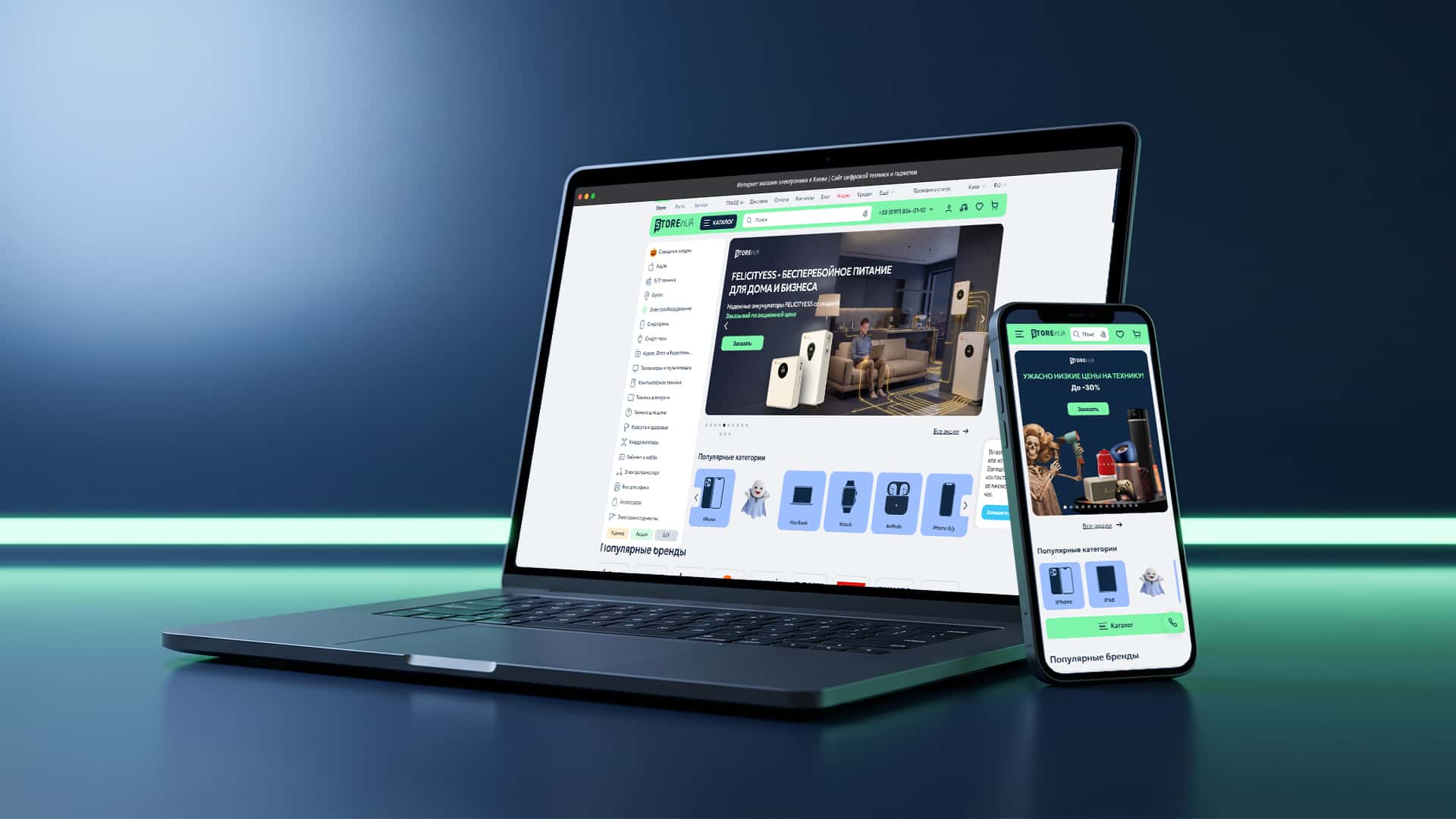 OCTOBER 2026eСommerce / DEVELOPMENT
Purchase conversion up from 1.4% to 3%: a new platform for 1M+ products with no sales stoppage.
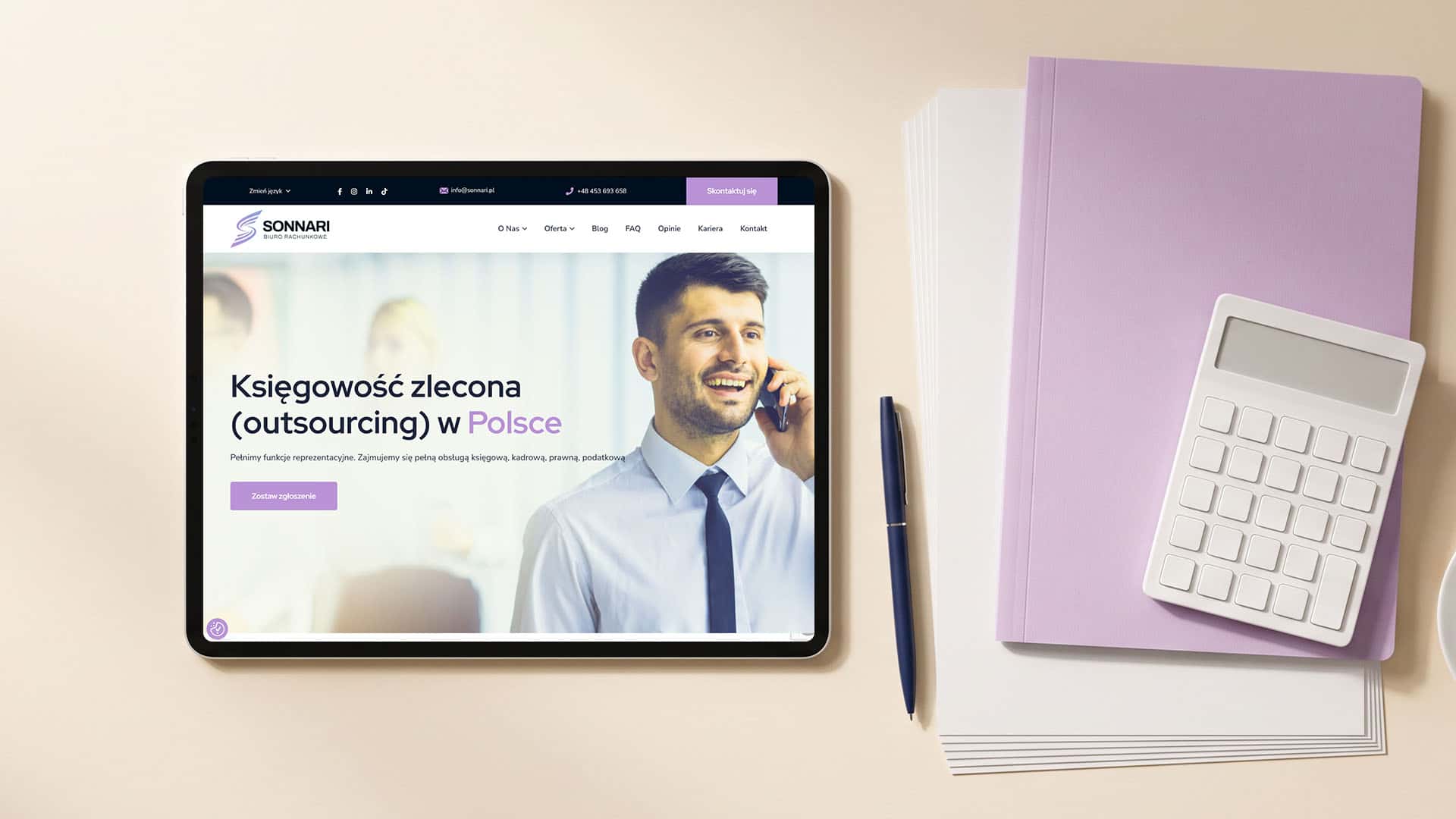 OCTOBER 2026SERVICES / MARKETING
Google visitors grew from 360 to 7000 per month, with 261 queries in the top 10: SEO for accounting in Poland.
Author: GVSPACE
Author: Vasyl Horaichuk

Author: GVSPACE