The customer is everyone
The product is framed as being for the whole category. Without segments it is unclear whom to speak to first and what stops the purchase.



We split customers into segments and record motives and barriers. This describes the audience, not the brand position.
The product is framed as being for the whole category. Without segments it is unclear whom to speak to first and what stops the purchase.
People buy for different reasons, while the offer stays the same. Part of the audience does not recognize itself in it.
Sales, product and marketing each describe the buyer in their own way. Tone and offer have no shared portrait to rest on.
 [ 01 ]free · 30 min
We compare whom the team treats as the customer and where that picture splits. You leave with a focus for the analysis. No sales pitch.
 [ 02 ]14 working days
Segments, motives, barriers and customer language. The result describes the audience and does not decide the brand's position.
 [ 03 ]after report delivery
We review the portrait with the people who speak to customers and note which findings still need a check.
and answers
No. The analysis answers who the customer is and what their motives and barriers are. Brand positioning answers where the brand stands against competitors. The portrait stops a position from being invented by taste. It is not the brand's place by itself.
It depends. If they cover the segments you want to serve next, they are enough for a first picture. If sales sit in one type of buyer and the plan aims at another, the base shows only part of it, and we mark that.
It depends. A CRM shows who already bought and how often. Motives and barriers rarely sit there. Calls, reviews and interviews supply the customer's words. We agree the sources at the start, not along the way.
No. If you do not have those figures, we will not invent them. Priority then rests on how close a segment is to the brand's job and on how strong the barrier is. Segment economics can be added once the data exists.
Start with a free 30-minute Clarity Session.
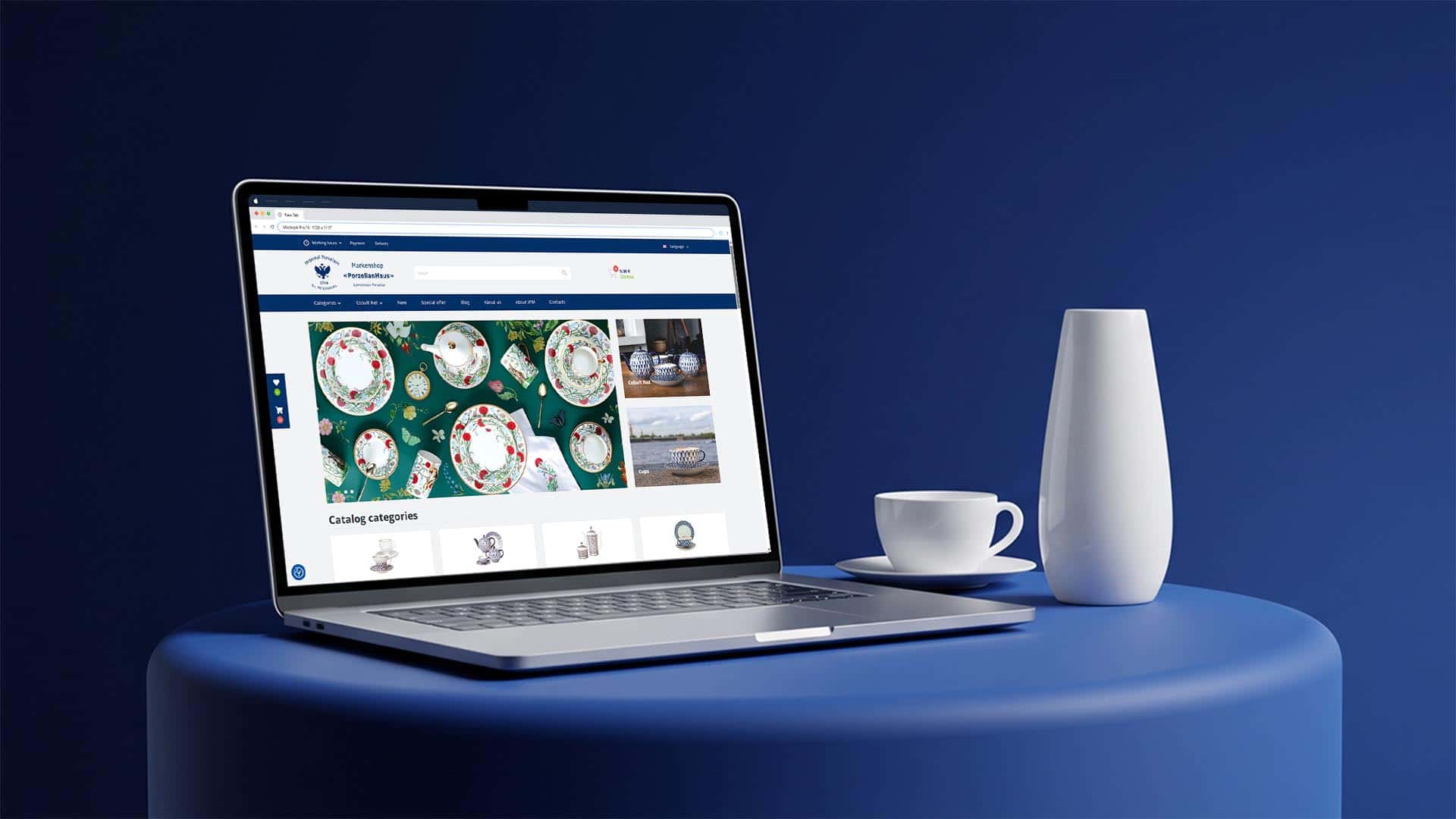 OCTOBER 2026eСommerce / SEO
Google visibility grew by 600% — up to 42 queries in the top 3.
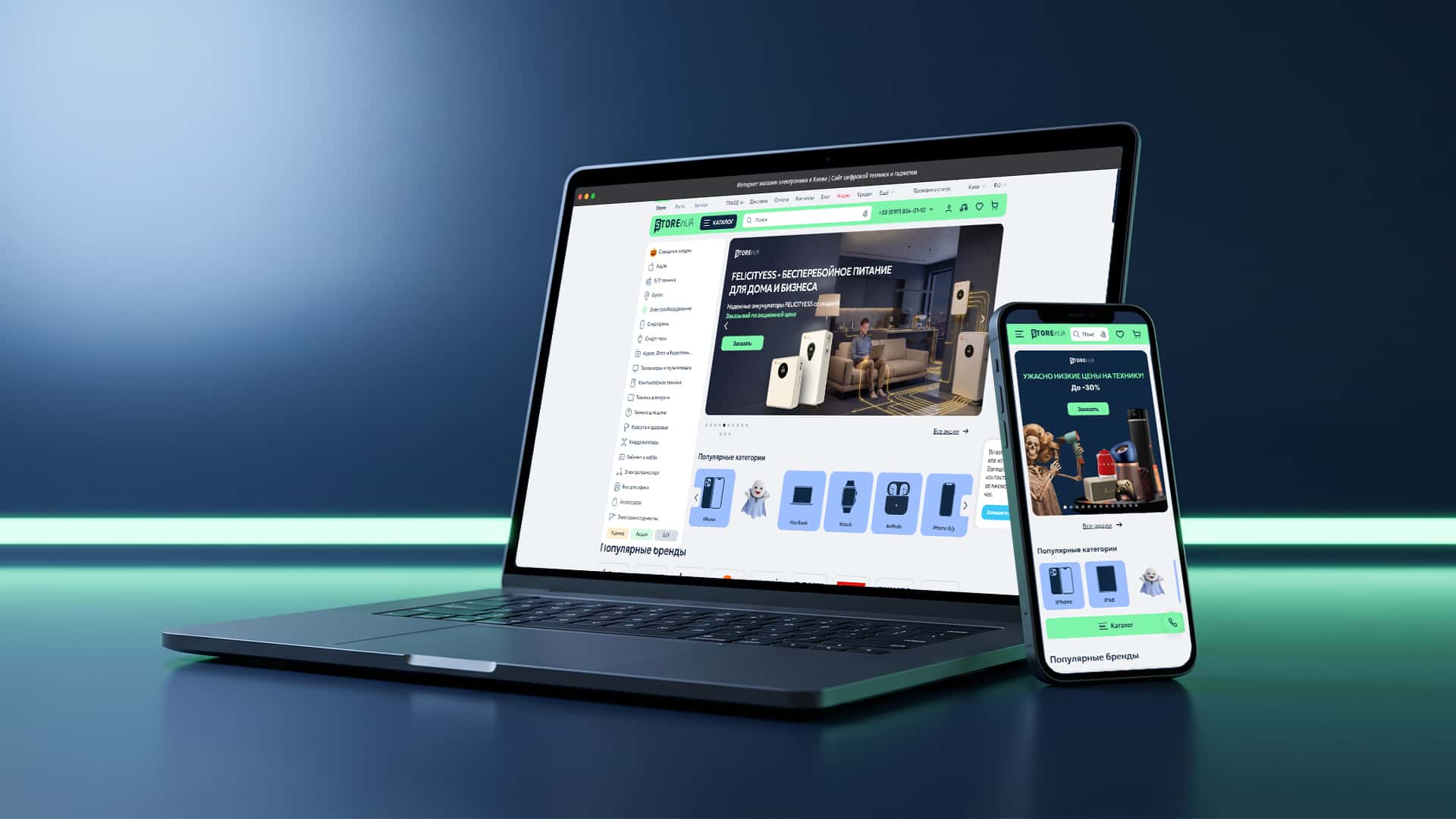 OCTOBER 2026eСommerce / DEVELOPMENT
Purchase conversion up from 1.4% to 3%: a new platform for 1M+ products with no sales stoppage.
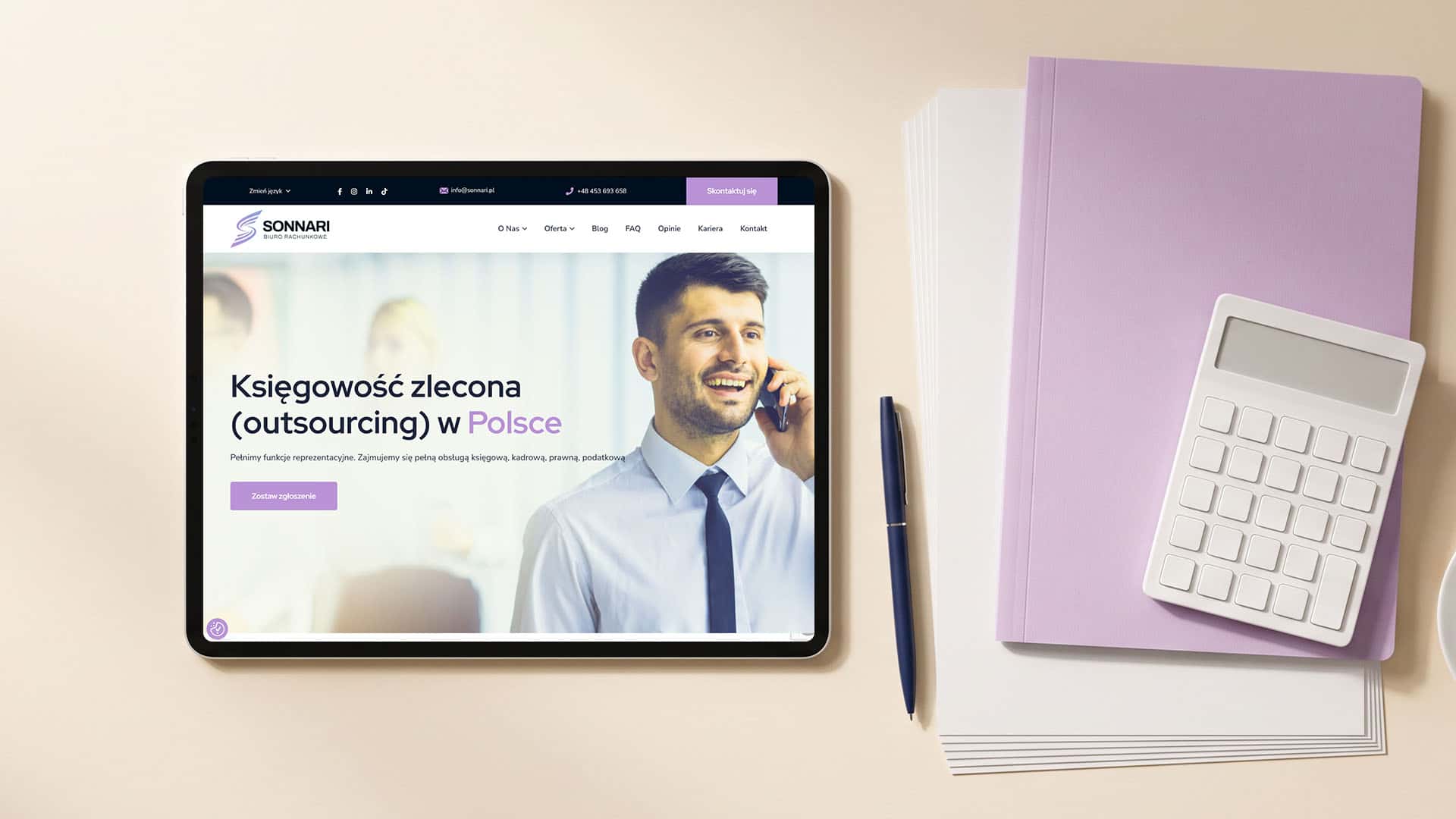 OCTOBER 2026SERVICES / MARKETING
Google visitors grew from 360 to 7000 per month, with 261 queries in the top 10: SEO for accounting in Poland.
Author: GVSPACE

Author: Vasyl Horaichuk

Author: GVSPACE