Developers test it themselves
There is no dedicated tester. Customers find the bugs, and you hear about payment failures from complaints, not from checks.



We test sites and apps from the risks to the business. Payment and key journeys come first, then the rest.
There is no dedicated tester. Customers find the bugs, and you hear about payment failures from complaints, not from checks.
Features have multiplied, new changes touch old journeys, and the team fears shipping without a week of manual checks.
A pre-release check takes days, the product runs on several platforms, and automated tests are missing or long outdated.
 [ 01 ]free · 30 min
We review where the product fails most often and what that costs. You leave with the critical journeys. No sales pitch.
 [ 02 ]14 business days
Initial testing, a risk map and a test plan. You get a prioritized defect list and an automation plan.
 [ 03 ]depends on scope
We cover critical journeys with automated tests and connect them to CI/CD, so every release is checked automatically.
 [ 04 ]ongoing, monthly cycle
We check every release, update cases for new features and report how defects are trending.
and answers
Because these are different checks. A developer checks that the code does what they intended. QA checks that the product does what the user expects, including journeys nobody thought of. Unit tests and QA do not replace each other. Without a separate check, bugs at the seams between features are usually found by customers.
It depends on the product. If functionality still changes often, automated tests must be rewritten constantly, and manual testing is the better spend. Stable critical journeys such as payment and signup should be automated right away. The balance is set in the test plan during the audit.
No. Testing reduces defects, but it does not prove they are gone. We are responsible for critical journeys being checked before every release, and for bugs described so a developer can reproduce them on the first try.
Yes. We need access to a test environment, documentation if it exists, and a person on the development team. We work inside your process: the bug tracker, sprints and release cycle stay as they are.
Start with a free 30-minute Clarity Session.
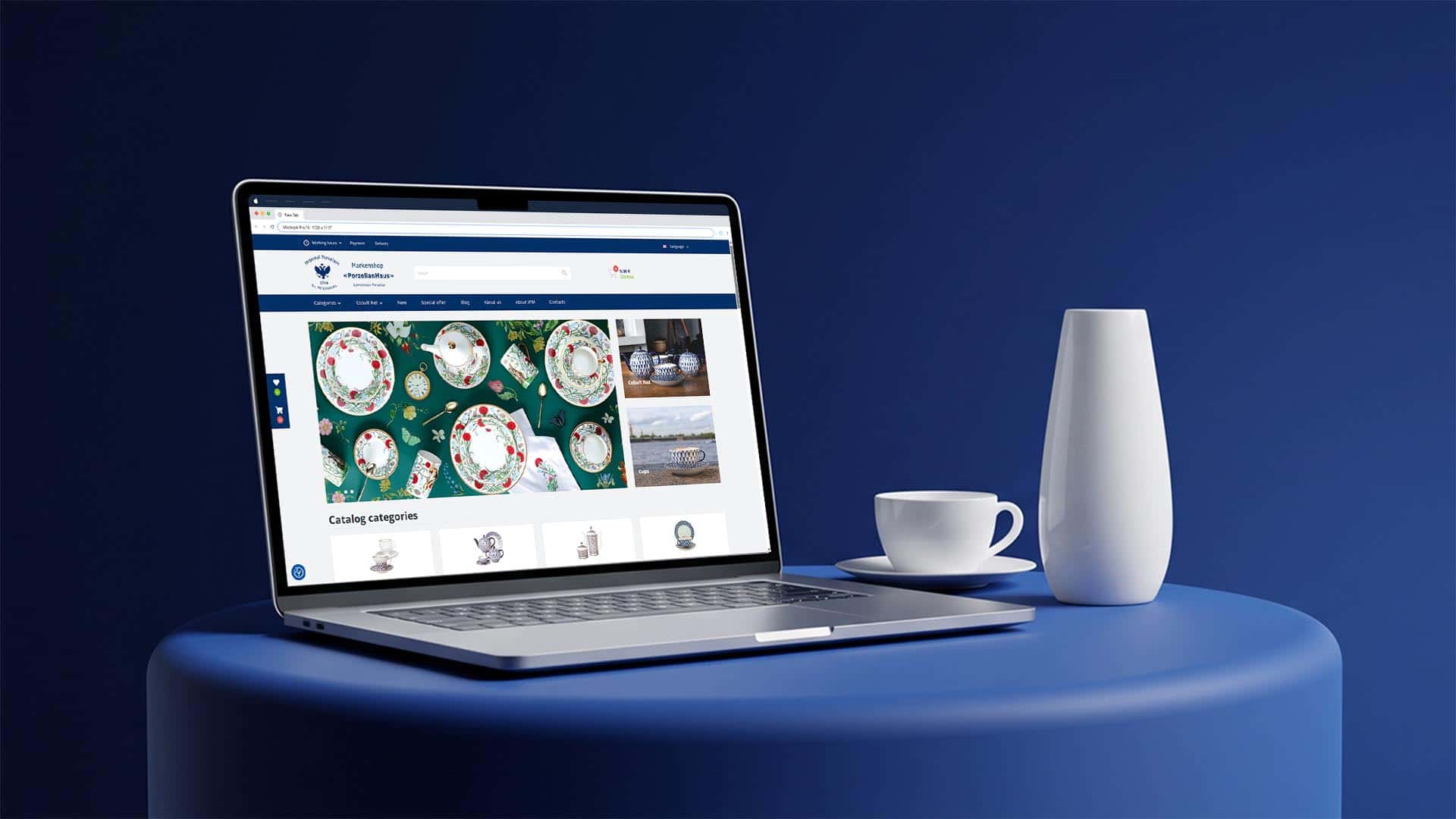 OCTOBER 2026eСommerce / SEO
Google visibility grew by 600% — up to 42 queries in the top 3.
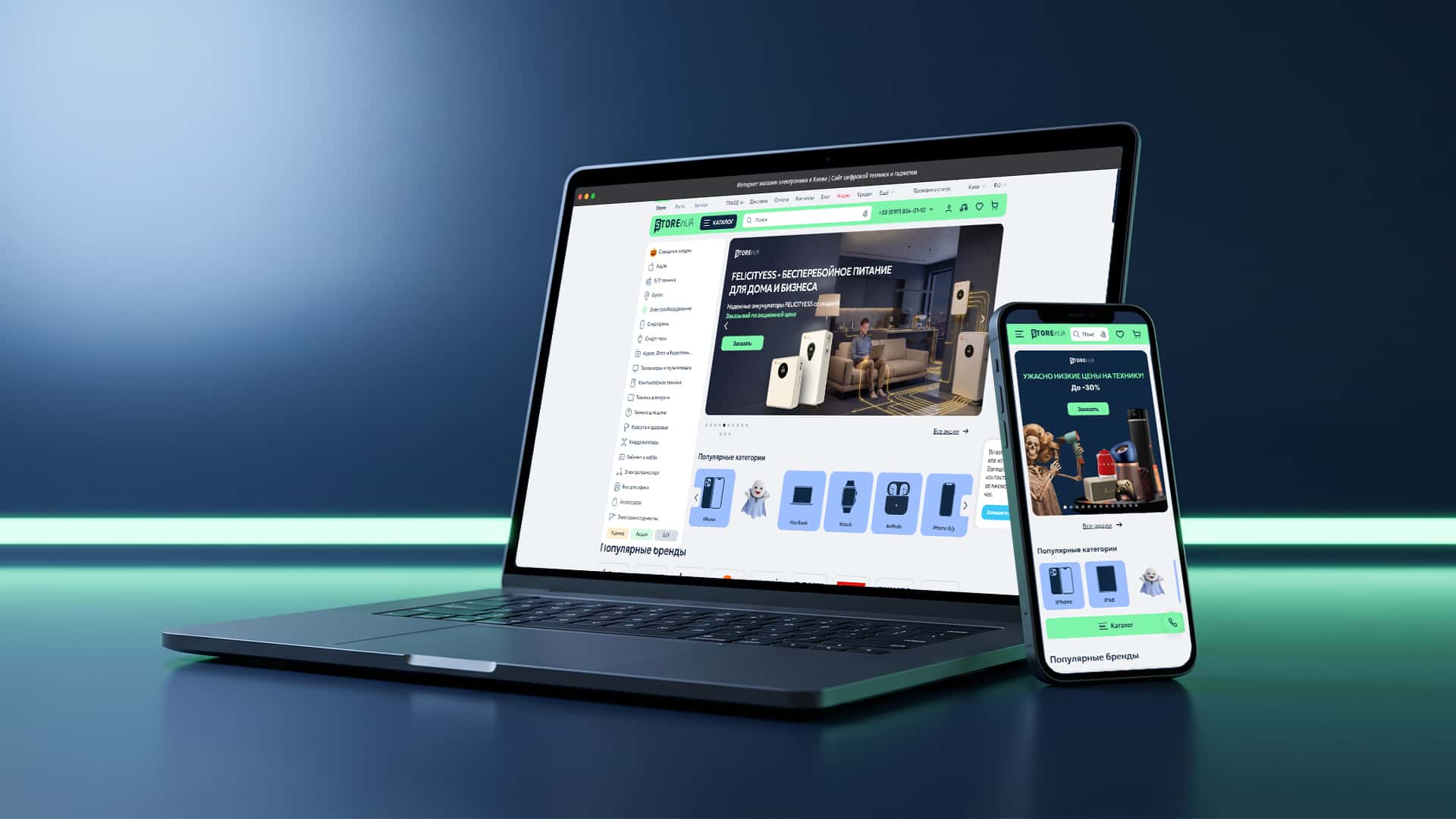 OCTOBER 2026eСommerce / DEVELOPMENT
Purchase conversion up from 1.4% to 3%: a new platform for 1M+ products with no sales stoppage.
 OCTOBER 2026SERVICES / MARKETING
Google visitors grew from 360 to 7000 per month, with 261 queries in the top 10: SEO for accounting in Poland.

Author: GVSPACE

Author: Vasyl Horaichuk

Author: GVSPACE