An idea without evidence
You have a product vision, but don't know if people will use it and pay, and investors want first data, not a pitch deck.



We build MVPs that test one key hypothesis. Features make the cut only if they help get an answer from the market.
You have a product vision, but don't know if people will use it and pay, and investors want first data, not a pitch deck.
The core business works, and you want to launch a new product without stopping the team or putting a year's budget into an untested idea.
Every new idea goes through the full development cycle of a large product, so testing a simple assumption takes a quarter.
 [ 01 ]free · 30 min
We formulate the hypothesis and define what answer you need from the market. You leave with a draft MVP scope. No sales pitch.
 [ 02 ]14 business days
User journeys, feature selection and a clickable prototype. You get a timeline and cost for version one, not a range.
 [ 03 ]scoped per project
We build the first version with analytics inside. Demos every two weeks, so scope doesn't creep unnoticed.
 [ 04 ]ongoing, monthly cycle
Launch with first users, data collection and a decision: scale, change the hypothesis or stop.
and answers
A prototype shows what the product will look like and tests usability. A PoC proves the solution is technically feasible. An MVP is a working product that real people use, and it tests demand. If the main risk is technical, we start with a PoC; if it's market risk, with an MVP. We figure this out in the Clarity Session.
Exactly as many as needed to test the hypothesis. Usually that's one core scenario done end to end, not ten half-finished ones. Anything that doesn't affect the market's answer goes to the backlog. This is where MVPs most often grow into a full product and lose their point.
No. The job of an MVP is to give an answer, not to guarantee success. A negative result is valuable too: it costs far less than a full product that found no market. We are responsible for a clean test and data that leads to a clear conclusion.
Not necessarily. We lay down an architecture that can grow if the hypothesis is confirmed. Some things will change anyway, because real users behave differently than expected. But that means refinement, not a rewrite from scratch.
Start with a free 30-minute Clarity Session.
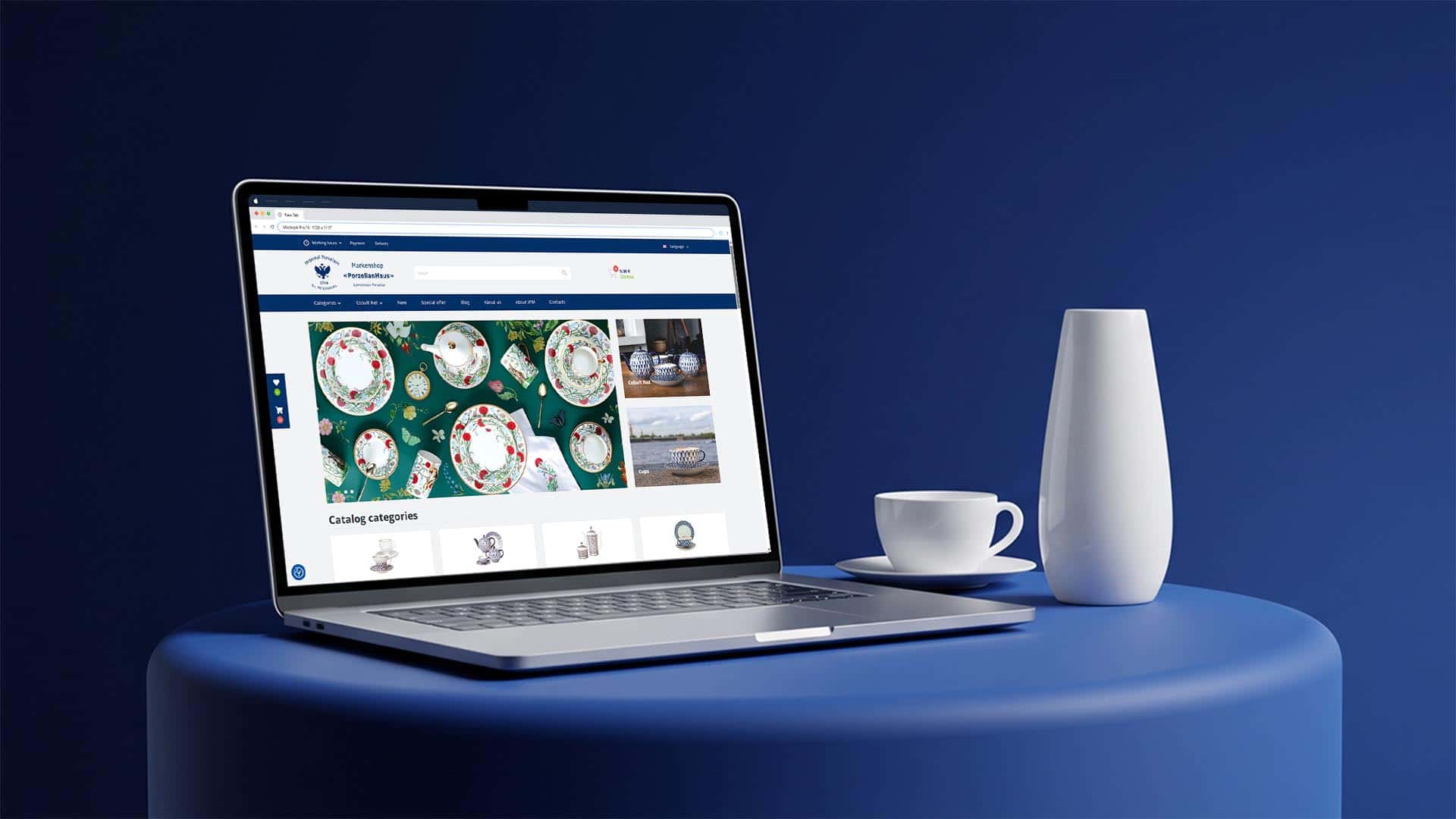 OCTOBER 2026eСommerce / SEO
Google visibility grew by 600% — up to 42 queries in the top 3.
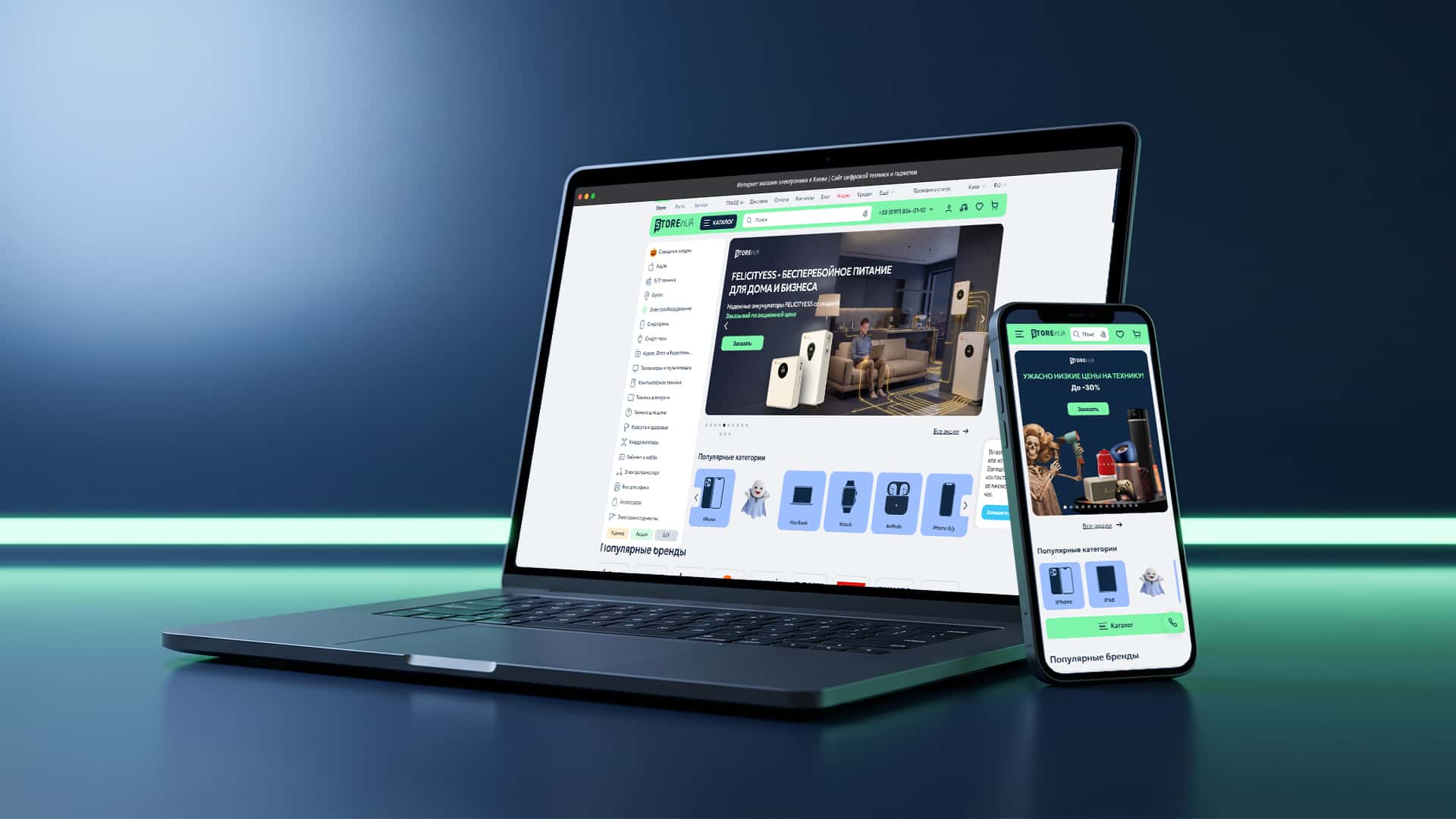 OCTOBER 2026eСommerce / DEVELOPMENT
Purchase conversion up from 1.4% to 3%: a new platform for 1M+ products with no sales stoppage.
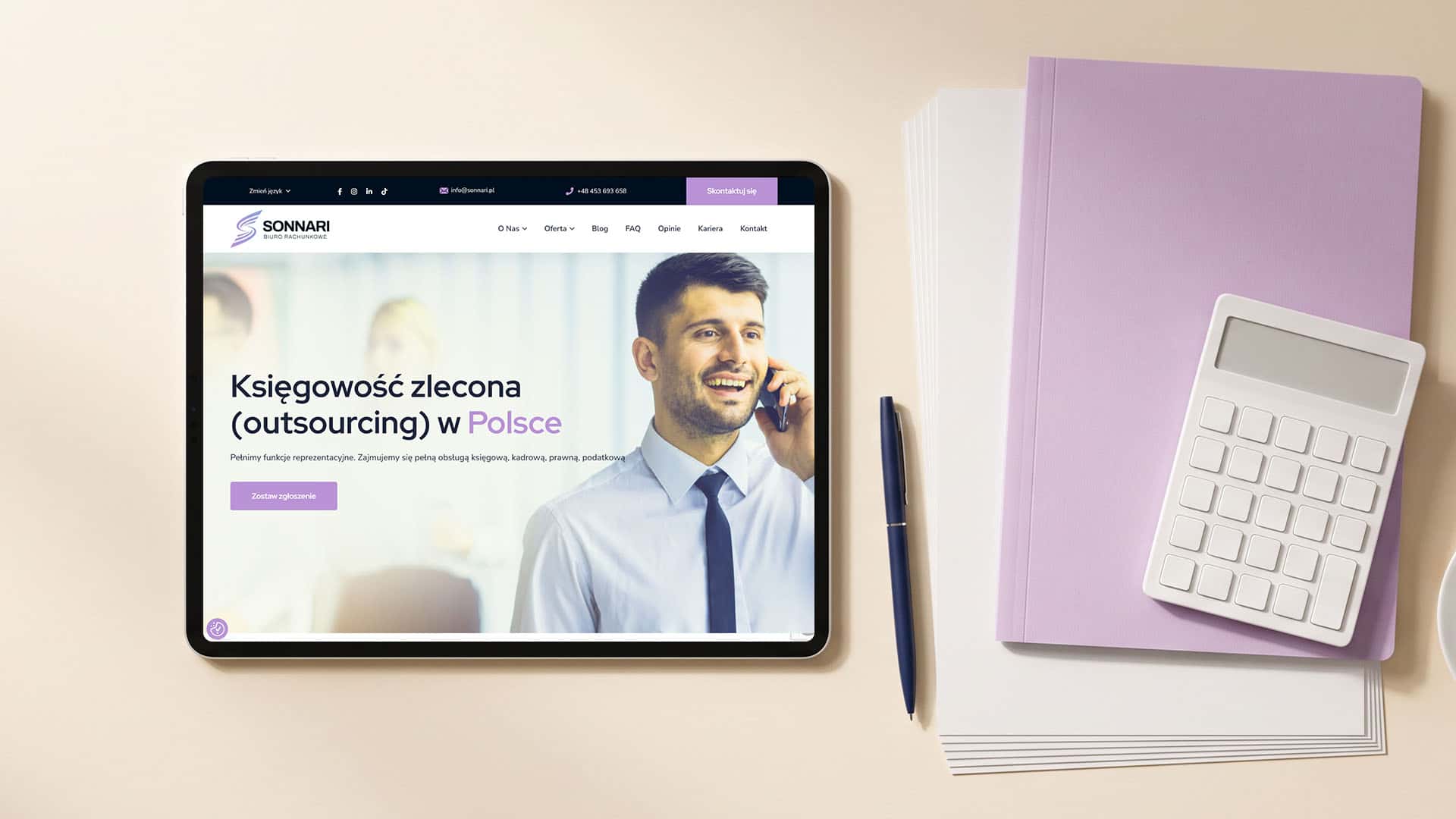 OCTOBER 2026SERVICES / MARKETING
Google visitors grew from 360 to 7000 per month, with 261 queries in the top 10: SEO for accounting in Poland.
Author: GVSPACE

Author: Vasyl Horaichuk
Author: GVSPACE