Both platforms needed at once
The budget won't carry two native teams, and launching on one platform only means losing half of the audience.


We build with Flutter and React Native when you need iOS and Android at once, and say so when the approach doesn't fit.
The budget won't carry two native teams, and launching on one platform only means losing half of the audience.
Separate teams run iOS and Android: features ship at different times and the apps already behave differently.
The product changes often, and duplicating every improvement across two codebases now costs more than rewriting them as one.
 [ 01 ]free · 30 min
We check whether a shared codebase suits your product. You get a straight answer backed by numbers. No sales pitch.
 [ 02 ]14 business days
Journeys, prototype, and the choice between Flutter and React Native against your requirements. Timeline and cost follow.
 [ 03 ]scoped per project
We build the first version for both platforms at once. Demos every two weeks, both builds tested in parallel.
 [ 04 ]ongoing, monthly cycle
Release to both stores, data collection, and priorities set by user behavior on each platform separately.
and answers
When the product depends on complex graphics or animation, deep camera, Bluetooth or background work, or has strict performance requirements. In those cases the shared code ends up wrapped in native modules and the saving disappears. We say this during the Clarity Session, before the work starts, not halfway through the project.
It depends on the product and on your team. Flutter gives more predictable appearance and behavior across both platforms, while React Native is closer to teams already working in JavaScript or sharing code with the web. We fix the choice during discovery with the reasoning written down, not by following trends.
The saving comes from the shared codebase: one team, one cycle, one set of business logic instead of two. It is not a half-price project, though — design, testing and store releases still happen per platform. We show the real difference in numbers at the estimate stage, once the scope is fixed.
Not when platform differences are handled properly. Problems appear when a team designs one interface for both systems and ignores the behavior people expect on each. We build those differences into the design system from the start.
Start with a free 30-minute Clarity Session.
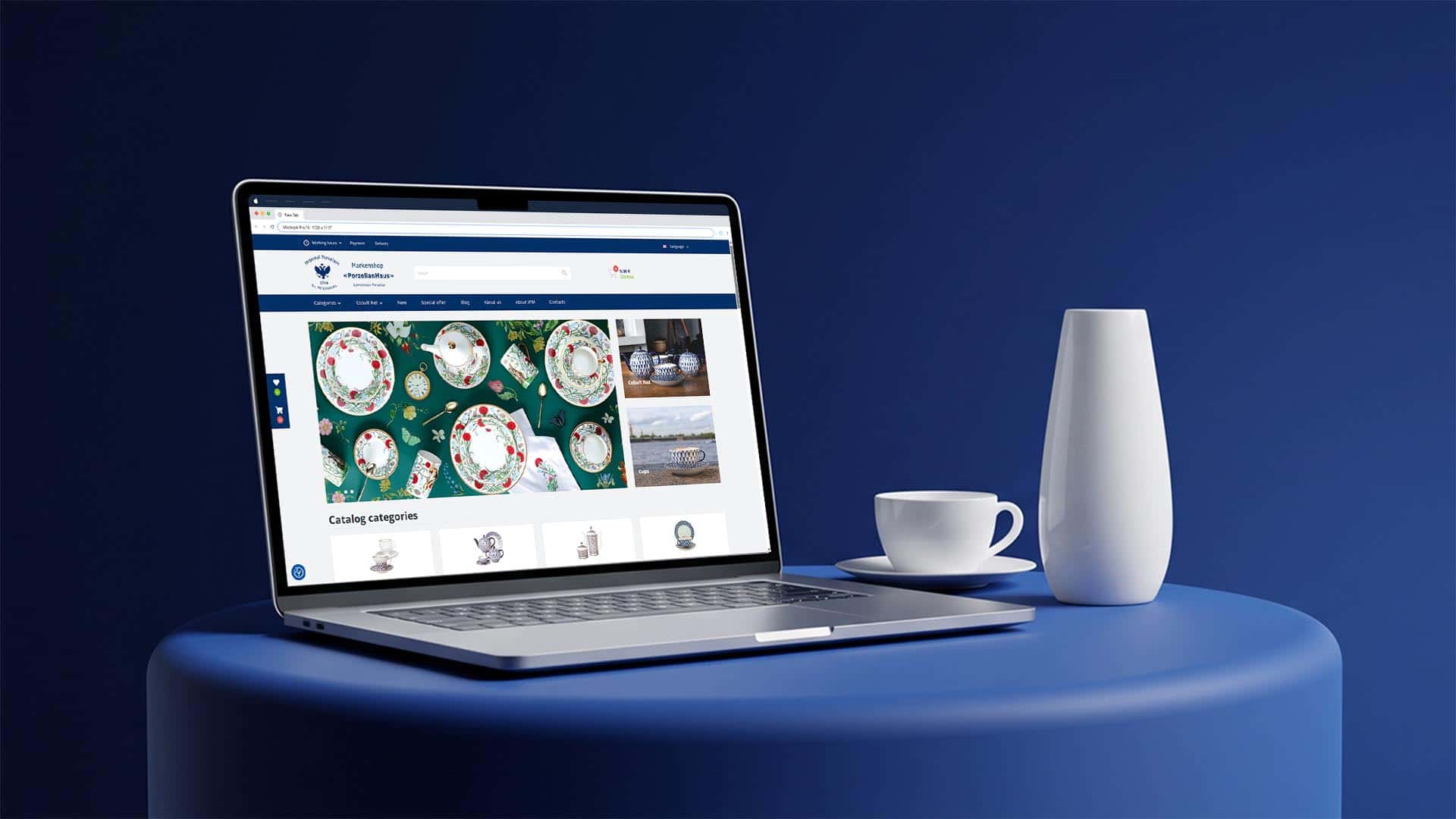 OCTOBER 2026eСommerce / SEO
Google visibility grew by 600% — up to 42 queries in the top 3.
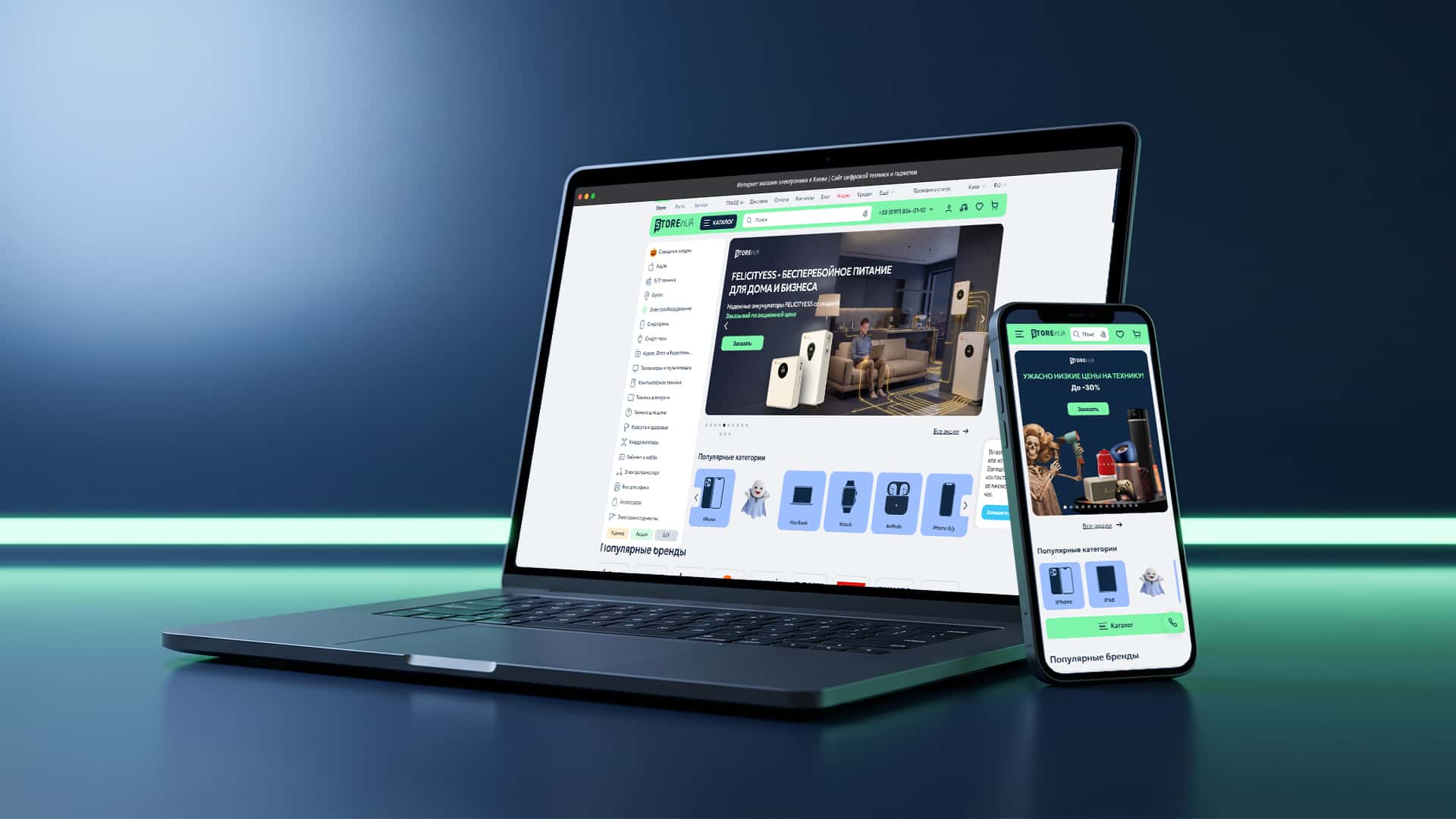 OCTOBER 2026eСommerce / DEVELOPMENT
Purchase conversion up from 1.4% to 3%: a new platform for 1M+ products with no sales stoppage.
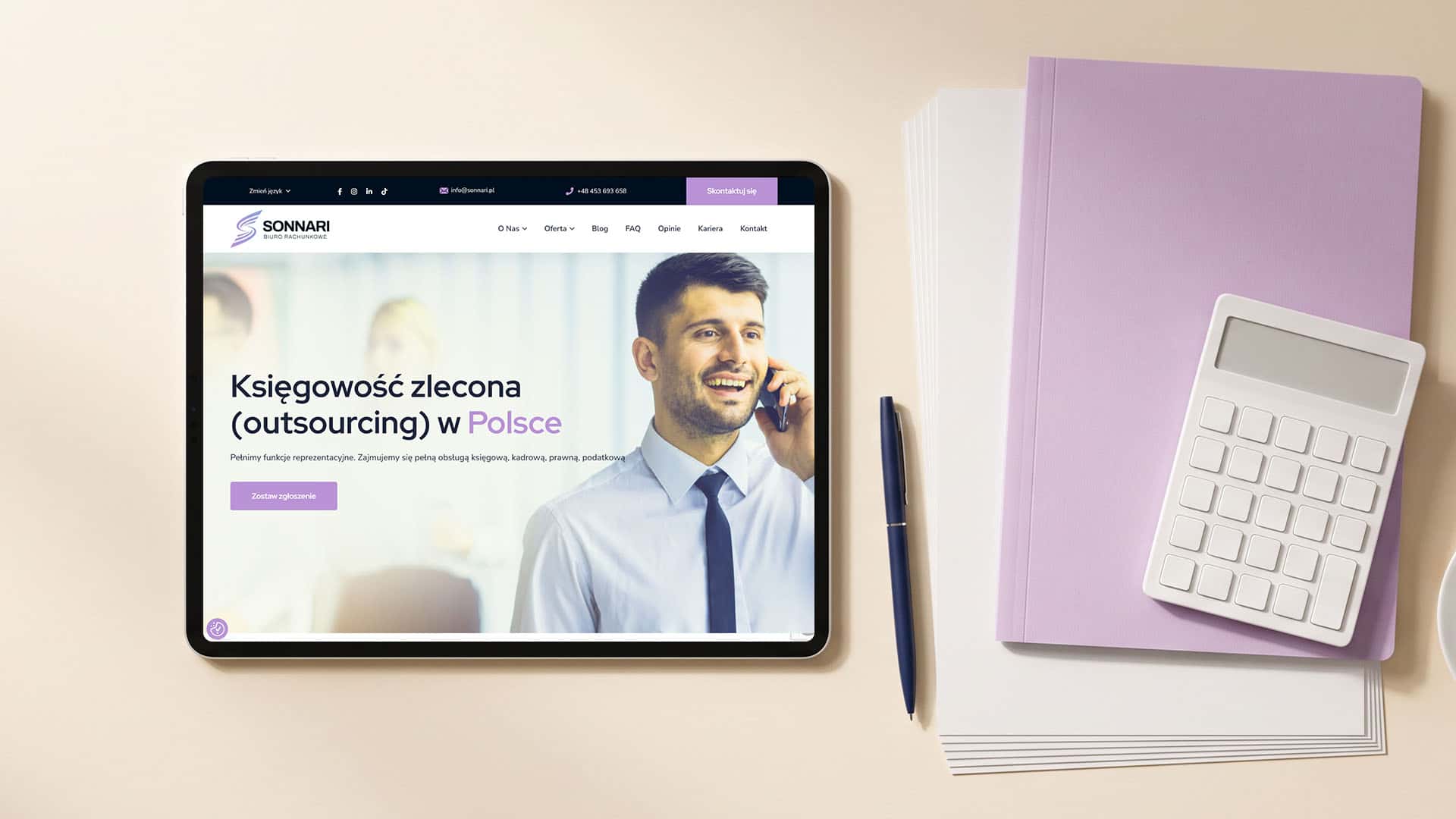 OCTOBER 2026SERVICES / MARKETING
Google visitors grew from 360 to 7000 per month, with 261 queries in the top 10: SEO for accounting in Poland.
Author: GVSPACE

Author: Vasyl Horaichuk
Author: GVSPACE